Purple Sweet Potato Colour
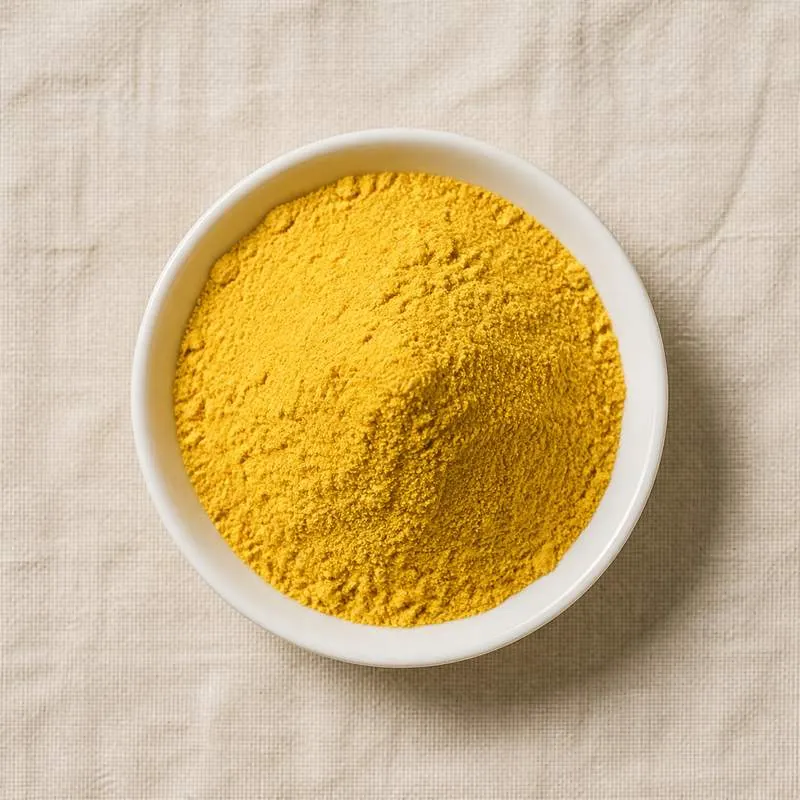
Purple sweet potato colour is a water soluble anthocyanin preparation extracted from the pigmented storage root of Ipomoea batatas. Its colouring principles are cyanidin and peonidin 3-sophoroside-5-glucosides in which the sugar chain is acylated with caffeic, ferulic and p-hydroxybenzoic acids. The double acylation folds the acyl groups over the flavylium ring and shields it from water attack, which makes this one of the most heat stable and light stable anthocyanins in commercial use.
Colour runs from a red purple at pH 3 through violet near pH 4.5 to a blue purple above pH 5, and unlike most anthocyanins it retains usable intensity into the mildly acid range where grape skin and elderberry preparations turn grey. That behaviour, combined with a neutral taste, is why it is the standard choice for purple and violet shades and for the red component of blended browns and burgundies.
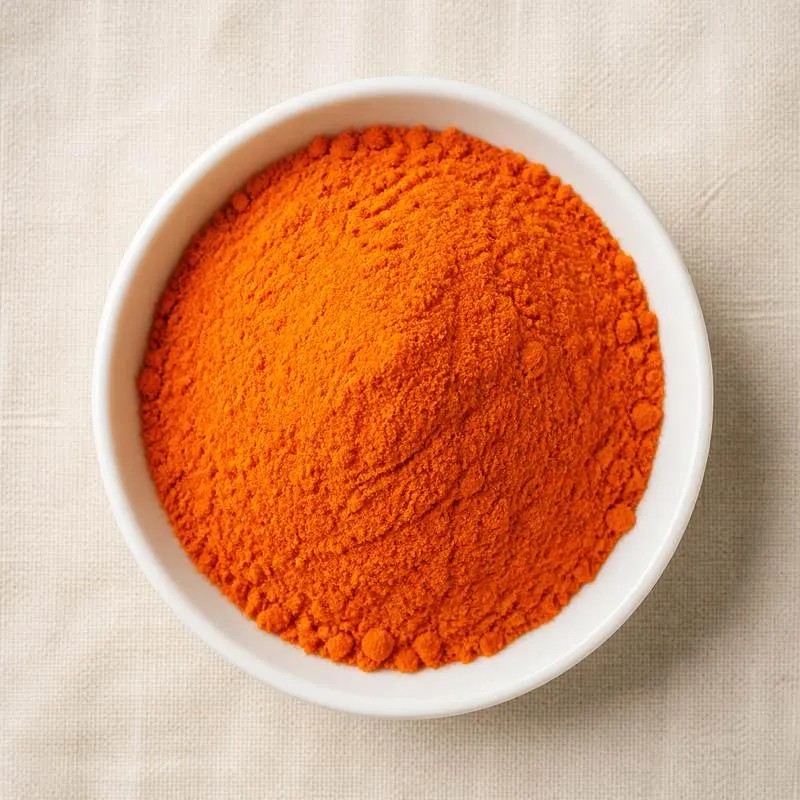
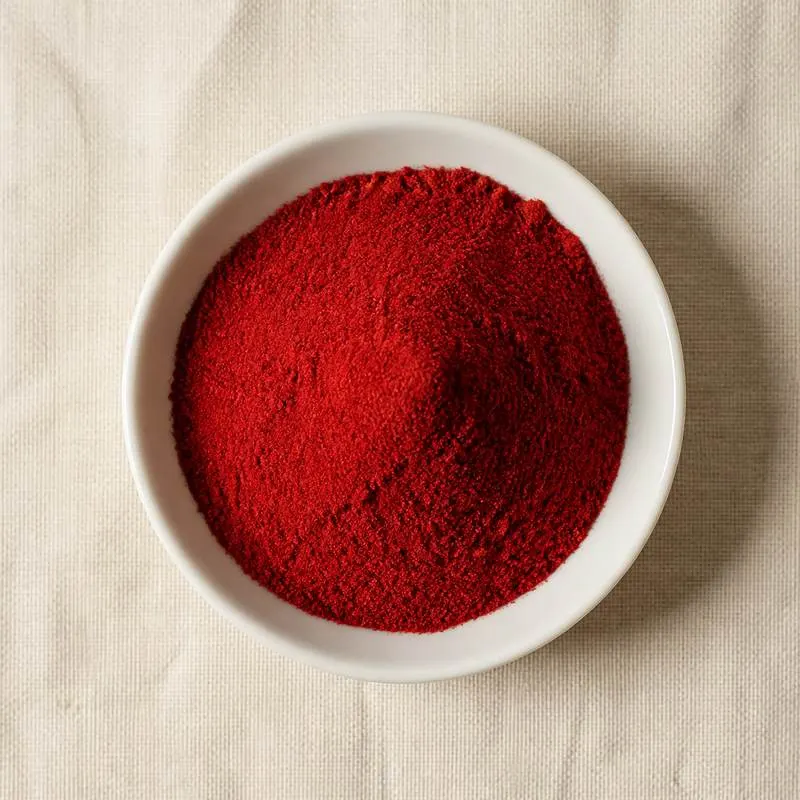
It is traded as a spray dried powder on maltodextrin and as a liquid concentrate, both freely soluble in water and dilute alcohol and insoluble in fats. The pigment is degraded by sulphur dioxide, by high levels of ascorbic acid and by prolonged exposure to light, and it will bleach in the presence of active chlorine, so process water quality matters in dilute applications.
We source bulk Purple Sweet Potato Colour from top China manufacturers for our partners, working with several of them. The manufacturers are mostly in Shandong, Yunnan and Beijing. A smaller requirement can ship in a combined container with other ingredients.
Please send the grade you need, the volume and your destination port, and we will come back with a solution and a price.
or call +86-21-6858 0751
Specifications
| Item | Specification |
|---|---|
| Appearance | Purple to dark purple free flowing powder |
| Colour Value E1% 1cm at 530 nm | 50 minimum |
| Identification | Absorption maximum at 525 to 535 nm in acidified methanol |
| Anthocyanins as cyanidin 3-glucoside | 2.0% minimum |
| Loss on Drying | 6.0% maximum |
| Sulphated Ash | 5.0% maximum |
| pH, 1% aqueous solution | 2.5 to 4.0 |
| Solvent Residue, ethanol | 0.5% maximum |
| Heavy Metals as Pb | 10 mg/kg maximum |
| Lead | 2 mg/kg maximum |
| Arsenic | 1 mg/kg maximum |
| Total Plate Count | 1000 cfu/g maximum |
| Yeast and Mould | 100 cfu/g maximum |
| Salmonella | Absent in 25 g |
Common Markets Grades
Grades are set by colour value, quoted as E1% 1cm measured near 530 nm in an acidified buffer. Liquid concentrates run from about colour value 10 to 60 and are shipped chilled or preserved; spray dried powders are standardised at colour value 25, 50 and 100 on a maltodextrin carrier, with a parallel anthocyanin content figure expressed as cyanidin 3-glucoside. A deodorised grade, given an extra resin pass to strip the earthy root note, is specified where dosage is high or the base is delicate.
Two commercial categories exist alongside each other. The refined additive grade is sold as an anthocyanin colour. A less purified concentrated juice grade, made by juicing and gentle concentration without selective pigment adsorption, is traded as a colouring foodstuff and is preferred for clean label declarations, at the cost of a lower and more variable colour value and a heavier carbohydrate load. Organic certified and non-GMO documented versions of both are produced.
Applications
- Fruit flavoured still drinks, sports drinks and acidified juices, where it holds a stable violet through pasteurisation
- Fruit yoghurt, drinking yoghurt and fermented milk, giving berry purple shades without carmine
- Hard boiled and jelly confectionery, including gummies where its heat stability survives the depositing temperature
- Ice cream, sorbet and popsicles in taro, blueberry and ube profiles
- Baked goods and steamed buns, in which it tints the crumb while tolerating the oven or steamer
- Instant noodle and rice product colouring for purple sweet potato and taro variants
- Icings, fondants and decorating gels applied after bake
- Alcoholic ready to drink beverages and flavoured wines at low pH
- Nutraceutical tablets, capsule shells and gummy supplements as a natural purple
- Blending component in compound colours, supplying the red note in burgundy, brown and grape shades
Brands Using Purple Sweet Potato Colour
Widely-distributed consumer products that list Purple Sweet Potato Colour on the ingredient label.
- NutricostPlant Based Food Coloring, Purple Sweet Potato ↗A powdered plant based food colouring sold in single colour jars, of which the purple variant is purple sweet potato.Label verified 2026-08-31
- MadeGoodBirthday Cake Drizzled Granola Bars ↗Granola bars whose sprinkles are coloured with purple sweet potato powder, listed in the ingredient statement as maltodextrin, purple sweet potato extract and citric acid, alongside beet red powder and spirulina extract.Label verified 2026-08-31
- Boba Tea ProteinTaro Milk Tea Protein Powder ↗Whey isolate drink mix listing organic purple sweet potato powder after organic taro powder, giving the powder its purple colour and part of its flavour.Label verified 2026-08-31
Brand names, product names and logos are the property of their owners. They appear here as published evidence that the ingredient is used, taken from the brand's own label or website. Their appearance is not an endorsement, and it does not mean the brand buys from us or from any manufacturer listed on this site.
China Manufacturers of Purple Sweet Potato Colour
Top Purple Sweet Potato Colour manufacturers in China.
 Bionature Co., Ltd.8 ingredients in the directory
 CNJ Nature Co., Ltd.9 ingredients in the directory
 Hubei Zixin Biological Technology Co., Ltd.7 ingredients in the directory
 QingDao PengYuan KangHua Natural Source Co., Ltd.4 ingredients in the directory
- Rongcheng Hexi Biotechnology Co., Ltd.5 ingredients in the directory
- Yunnan Borui Bio-tech. Co., Ltd.11 ingredients in the directory
- Yunnan Tonghai Yang Natural Products Co., Ltd.8 ingredients in the directory
Company names and logos are the property of the manufacturers themselves. They are listed here because our own directory records them as producing this ingredient. A listing is not an endorsement by them, and we do not represent them or speak on their behalf.
Regulatory Status
In the United States, colours obtained from purple sweet potato are handled as colour additives exempt from certification. 21 CFR Part 73 lists vegetable juice colour and dehydrated vegetable juice colour, and the Food and Drug Administration has also acted on petitions covering sweet potato derived anthocyanin preparations; because the applicable listing depends on how the material is produced and how far it is purified, the supplier declaration of listing and permitted uses should travel with the specification. Exempt colours still carry specification and labelling obligations.
In the European Union anthocyanins are the food colour E 163, authorised under Regulation (EC) No 1333/2008 with identity and purity criteria in Regulation (EU) No 231/2012. Gently processed juice concentrates that keep their natural food matrix are instead treated as colouring foodstuffs under Commission guidance, which changes the ingredient declaration and the conditions of use. JECFA has evaluated anthocyanins, and they appear in the Codex General Standard for Food Additives.
Manufacturing Process
Purple fleshed sweet potato roots are washed, sorted and either milled into a mash or cut and pressed for juice. Extraction is carried out with acidified water or dilute food grade ethanol at temperatures below about 60 degrees Celsius, the acid holding the anthocyanins in their stable red flavylium form. Where the raw material is a starch factory side stream, the pigment is recovered from the process water left after starch separation rather than from whole roots.
The crude liquor is separated from the solids by pressing and decanting, then clarified by centrifugation and filtration. It is loaded onto a food grade adsorption resin that binds the anthocyanins while starch, sugars, salts and much of the earthy aroma are washed to drain. The pigment is eluted with acidified ethanol, the solvent is stripped under vacuum at low temperature, and the concentrate is standardised to colour value with citric acid and water. Liquid grades are pasteurised and filled cold; powder grades are blended with maltodextrin and spray dried at a low outlet temperature to limit thermal loss.