Red Radish Colour
Red radish colour is a water soluble anthocyanin pigment extracted from the root skin of red radish, Raphanus sativus, and standardised as a food colour. The colouring principles are acylated pelargonidin 3-sophoroside 5-glucosides, in which the sugar units carry ferulic, p-coumaric and caffeic acid residues. That acylation is the reason the pigment holds its shade far better than the simpler anthocyanins of grape or elderberry.
In acid systems the pigment gives a clean bluish red to strawberry red that closely matches carmine, which is why it is the usual choice when a formulator wants to leave an insect derived colour behind. Shade moves with pH: below about 3.5 it is a bright red, between 4 and 5 it shifts towards pink and blue red, and above 6 it turns dull and grey. Colour strength is therefore always quoted together with the pH of the test solution.
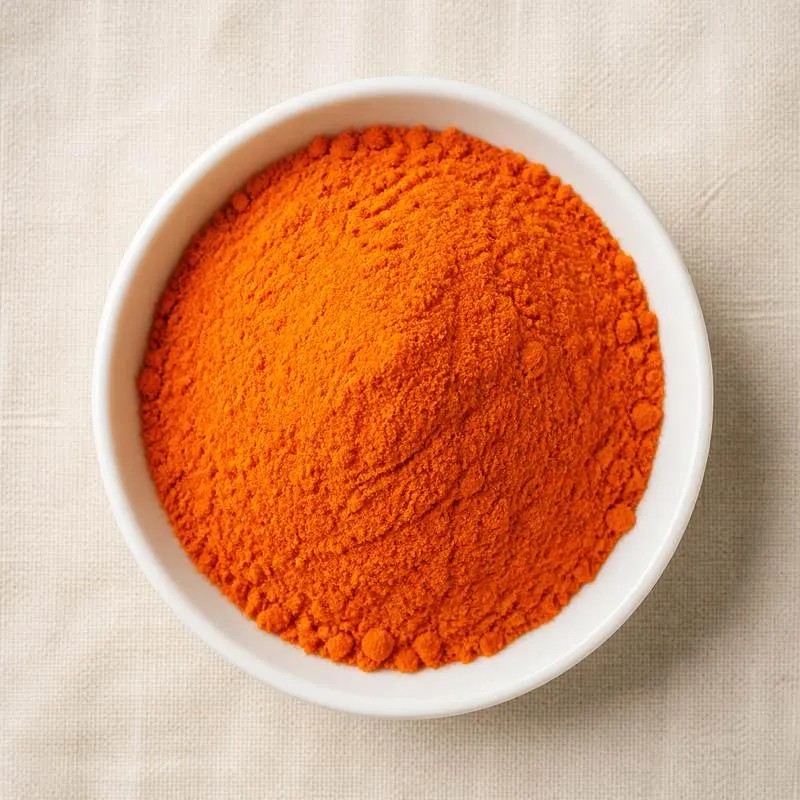
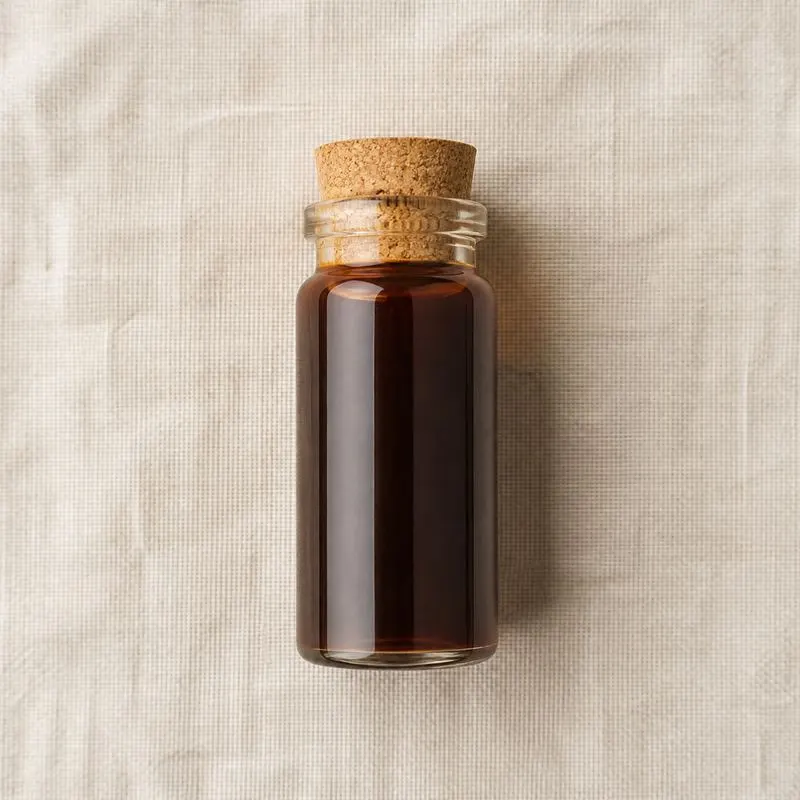
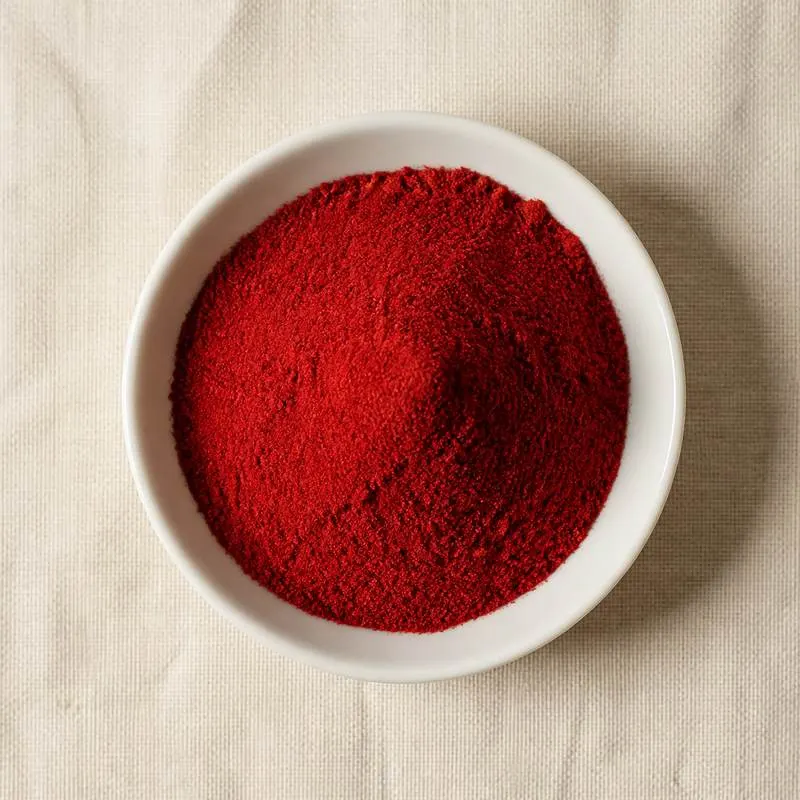
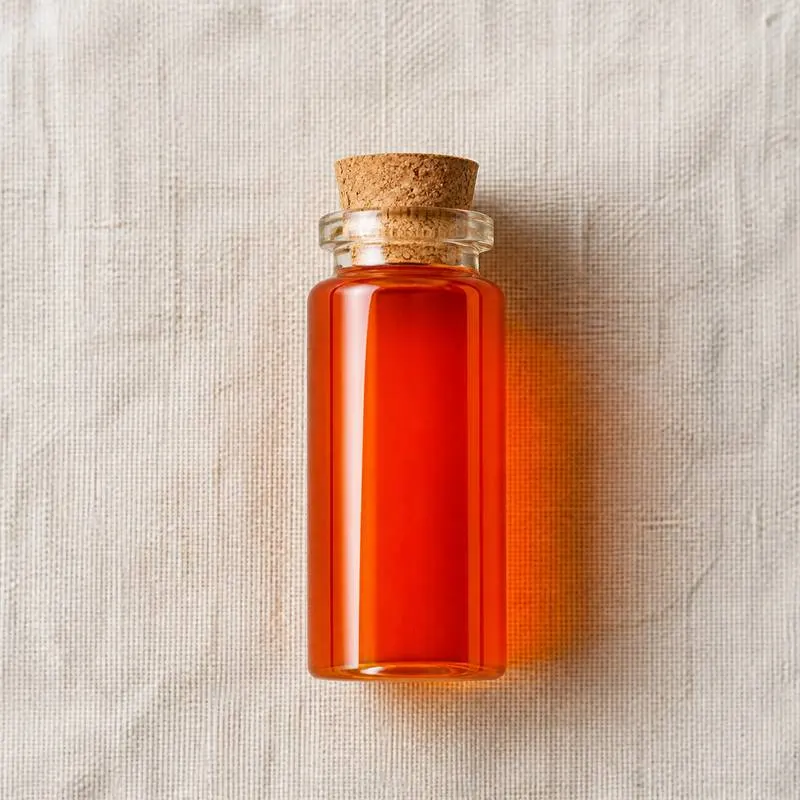
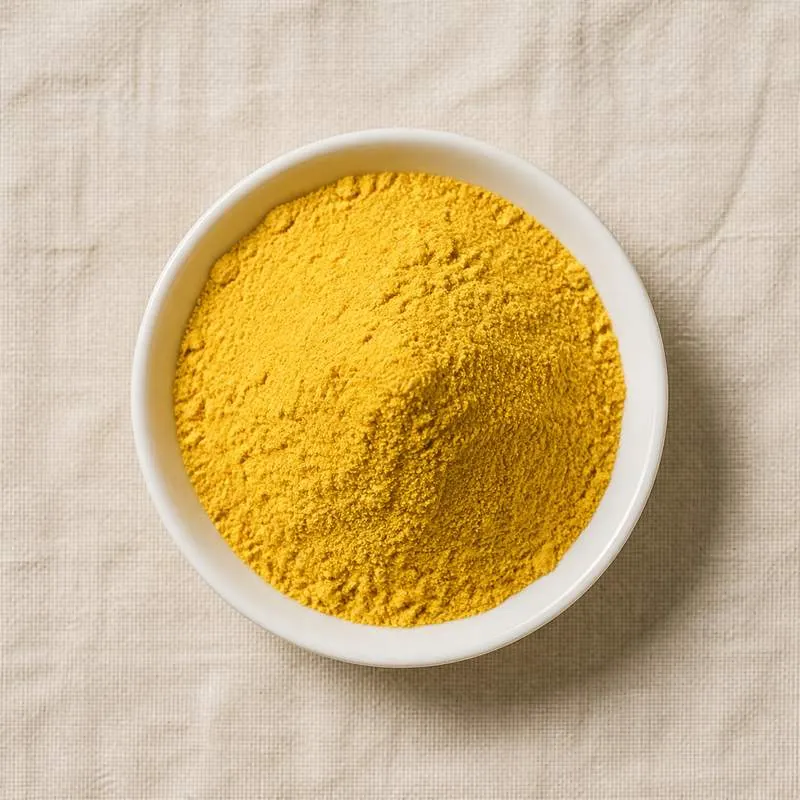
The pigment sells as a spray dried red to dark purple powder on a maltodextrin carrier, or as a liquid concentrate. Both forms are freely soluble in water and in dilute alcohol, and insoluble in oils. Anthocyanins degrade with heat, light, sulphur dioxide and ascorbic acid, so the pigment suits chilled, acidic and short shelf life products better than long life neutral ones.
We source bulk Red Radish Colour from top China manufacturers for our partners, working with several of them. The manufacturers are mostly in Shandong, Chongqing and Hubei. A smaller requirement can ship in a combined container with other ingredients.
Please send the grade you need, the volume and your destination port, and we will come back with a solution and a price.
or call +86-21-6858 0751
- Function
- Colorant
Specifications
| Item | Specification |
|---|---|
| Appearance | Red to dark purple free flowing powder |
| Colour Value E1% 1cm at 520 nm | 50 minimum |
| Identification | Absorption maximum at 515 to 525 nm in acidified methanol |
| Anthocyanins as pelargonidin 3-glucoside | 2.0% minimum |
| Loss on Drying | 6.0% maximum |
| pH, 1% aqueous solution | 2.5 to 4.0 |
| Solvent Residue, ethanol | 0.5% maximum |
| Heavy Metals as Pb | 10 mg/kg maximum |
| Lead | 2 mg/kg maximum |
| Arsenic | 1 mg/kg maximum |
| Total Plate Count | 1000 cfu/g maximum |
| Yeast and Mould | 100 cfu/g maximum |
| E. coli | Absent in 5 g |
| Salmonella | Absent in 25 g |
Common Markets Grades
Trade grades are defined by colour value, measured as E1% 1cm at about 520 nm in an acidified buffer. Liquid concentrates typically run from colour value 5 to 60, while spray dried powders are standardised at colour value 25, 50 or 100 on maltodextrin. A pigment content specification expressed as pelargonidin 3-glucoside, commonly 0.5 to 4 percent for powders, is quoted in parallel for customers who dose on anthocyanin rather than on absorbance.
Beyond colour strength, the practical distinctions are carrier and clarity. Standard powders use maltodextrin; starch free and organic certified versions are made for clean label work. Deodorised grades are produced by additional resin treatment to remove the sulphur and radish notes that carry through from the raw root, and are specified where the dosage is high or the base flavour is delicate. Both food grade and a lightly refined juice concentrate grade are traded, the latter declared as fruit and vegetable juice for colouring rather than as an additive.
Applications
- Fruit flavoured still and carbonated drinks at pH 3 to 3.5, where the acid environment holds a bright strawberry red
- Fruit yoghurt and fermented milk drinks, as a carmine replacement in products with a short chilled shelf life
- Confectionery jellies, gummies and pectin sweets, where low water activity slows anthocyanin degradation
- Ice cream and water ices, in which frozen storage and darkness protect the pigment
- Surimi and imitation crab stick surface coating, replacing carmine on the coloured strip
- Fruit preparations, jams and pie fillings that are already acidified
- Sugar panned and film coated confectionery, where the pigment sits in a thin dry layer away from moisture
- Icings, fillings and decorating gels for bakery, applied after baking rather than through the oven
- Pickled vegetables and Asian style preserved radish, which reinforce the colour of the raw material
- Pet treats and speciality pet food, where an animal free red is preferred
Brands Using Red Radish Colour
Widely-distributed consumer products that list Red Radish Colour on the ingredient label.
- MadeGoodPumpkin Spice Granola Bites ↗The orange vanilla chips in these granola bites are coloured with radish and carrot powder, listed as radish, carrot, citric acid and maltodextrin.Label verified 2026-09-01
- MadeGoodSalted Caramel Crunchy Cookies ↗The ingredient list names radish and carrot powder, on a maltodextrin carrier with citric acid, as a colour within the cookie chips.Label verified 2026-09-01
Brand names, product names and logos are the property of their owners. They appear here as published evidence that the ingredient is used, taken from the brand's own label or website. Their appearance is not an endorsement, and it does not mean the brand buys from us or from any manufacturer listed on this site.
China Manufacturers of Red Radish Colour
Top Red Radish Colour manufacturers in China.
- Chongqing Danqing Biological Technology Co., Ltd.1 ingredient in the directory
- Hubei Well-being Biotechnology Co., Ltd.7 ingredients in the directory
- Naturlich (ZhuHai) Food Ingredients &Solutions10 ingredients in the directory
 QingDao PengYuan KangHua Natural Source Co., Ltd.4 ingredients in the directory
 Qingdao Scitech Biotech Co., Ltd.11 ingredients in the directory
Company names and logos are the property of the manufacturers themselves. They are listed here because our own directory records them as producing this ingredient. A listing is not an endorsement by them, and we do not represent them or speak on their behalf.
Regulatory Status
In the United States, anthocyanin colours obtained from vegetables are handled as colour additives exempt from certification. 21 CFR Part 73 lists vegetable juice colour and dehydrated vegetable juice colour, and radish derived preparations are marketed in that framework; the exact listing that applies depends on how the material is made and how concentrated it is, so a supplier declaration of the applicable listing should accompany the specification. Colour additives exempt from certification still carry batch specification and labelling obligations.
In the European Union anthocyanins are the food colour E 163, authorised under Regulation (EC) No 1333/2008 with purity criteria set in Regulation (EU) No 231/2012. Less refined radish preparations that retain their natural juice matrix may instead be handled as colouring foodstuffs rather than as E 163, a distinction the European Commission has set out in guidance and one that changes both the ingredient declaration and the permitted use levels. JECFA has evaluated anthocyanins, and the Codex General Standard for Food Additives covers them.
Manufacturing Process
Fresh red radish roots, or the skins recovered from peeling operations, are washed, sorted and milled. The pigment sits almost entirely in the outer skin, so many plants run on peel side streams rather than whole roots. The mash is extracted with acidified water or dilute food grade ethanol at low temperature, since anthocyanins are unstable above about 60 degrees Celsius. Acidification during extraction keeps the pigment in its stable red flavylium form.
The crude extract is pressed and clarified by filtration or centrifugation, then passed over a food grade adsorption resin. The anthocyanins bind to the resin while sugars, organic acids, salts and much of the sulphur containing radish aroma pass through in the wash. The pigment is desorbed with acidified ethanol, the solvent is recovered by vacuum evaporation at low temperature, and the concentrate is standardised to colour value. Liquid product is stabilised with citric acid and preserved; powder is blended with maltodextrin and spray dried on a short residence, low outlet temperature cycle to limit thermal loss.