Syrup For Brewing
Syrup for brewing is a concentrated starch hydrolysate produced specifically as a brewhouse adjunct, supplying fermentable sugars to the kettle without the mashing, lautering and protein handling that solid cereal adjuncts require. It is usually made from maize, wheat or rice starch, and is sometimes based on cane or beet sugar inverted to glucose and fructose.
The property that defines a brewing syrup is fermentability rather than sweetness. Syrups are formulated to a chosen ratio of glucose, maltose, maltotriose and higher dextrins, since brewer's yeast ferments the first three and leaves the rest as residual extract. A high maltose, high fermentability syrup raises alcohol with little effect on body, while a syrup carrying a deliberate dextrin fraction adds mouthfeel to low alcohol and dark beers. Because the syrup contains almost no protein, polyphenol or lipid, it dilutes the wort's nitrogen and colour, giving a paler, cleaner and more colloidally stable beer.
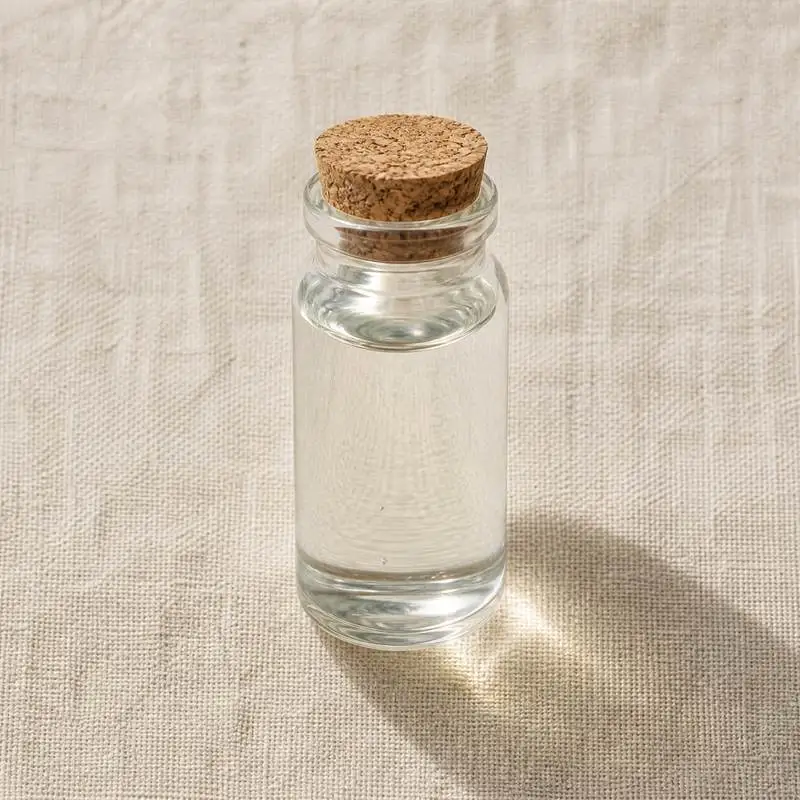
It is a clear pale to deep amber liquid at 75 to 82 percent solids, fully miscible with wort, and pumped warm because viscosity climbs steeply as it cools. Caramelised and coloured versions are made for dark ales and stouts, and priming syrups at lower solids are used for conditioning and package dosing.
We source bulk Syrup For Brewing from top China manufacturers for our partners. The manufacturer is in Guangdong. A smaller requirement can ship in a combined container with other ingredients.
Please send the grade you need, the volume and your destination port, and we will come back with a solution and a price.
or call +86-21-6858 0751
- Function
- Texturisers
Specifications
| Item | Specification |
|---|---|
| Appearance | Clear pale amber viscous liquid, free of sediment |
| Odour and Taste | Clean and sweet, free of foreign odour |
| Dry Solids | 78.0% to 82.0% |
| Dextrose Equivalent | 60 to 70 |
| Fermentable Extract, dry basis | Not less than 75.0% |
| Colour | Not more than 30 EBC units |
| pH, 30% solution | 4.0 to 5.5 |
| Free Amino Nitrogen | Not more than 10 mg/L |
| Sulphated Ash | Not more than 0.3% |
| Sulphur Dioxide | Not more than 20 mg/kg |
| Lead | Not more than 0.1 mg/kg |
| Arsenic | Not more than 0.1 mg/kg |
| Total Plate Count | Not more than 500 CFU/g |
| Yeast and Mould | Not more than 50 CFU/g |
| Salmonella | Absent in 25 g |
Common Markets Grades
Brewing syrups are ordered by fermentability and colour rather than by a single assay. High maltose grades in the 60 to 70 percent fermentability range are the general purpose kettle adjunct. High conversion grades approaching 80 percent fermentability are used where alcohol yield is the objective, as in high gravity brewing and in the base for hard seltzer and flavoured malt beverages. Low dextrose equivalent grades retaining dextrins are used where residual body is wanted. Caramel and colour syrups are graded by EBC colour and are dosed for shade rather than for extract.
Every grade is specified for dry solids, fermentable extract, colour, pH and free amino nitrogen, with the nitrogen figure kept very low since it is one of the reasons brewers use syrup in the first place. Wheat-based syrups require an allergen declaration unless the hydrolysis and refining have removed the gluten to the level accepted for exemption, so gluten-tested rice and maize based grades are traded separately for gluten-free beer.
Applications
- Kettle adjunct in lager and ale brewing, adding fermentable extract without extending mash tun and lauter capacity
- High gravity brewing, allowing wort strength to be raised beyond what the mash can deliver and then diluted after fermentation
- Capacity relief in the brewhouse, since syrup is dosed directly into the kettle and bypasses the rate-limiting mashing stages
- Colour and body adjustment in stouts, porters and dark ales using caramelised grades
- Low alcohol and reduced calorie beers, where the dextrin fraction is chosen to hold mouthfeel
- Priming and conditioning, providing the fermentable sugar for secondary fermentation in tank, cask or bottle
- Flavoured malt beverages and hard seltzer bases, supplying a neutral highly fermentable substrate
- Distilling and vinegar fermentation as a clean fermentable carbohydrate source
- Gluten-free beer production using maize or rice based syrups in place of barley extract
China Manufacturers of Syrup For Brewing
Top Syrup For Brewing manufacturers in China.

Company names and logos are the property of the manufacturers themselves. They are listed here because our own directory records them as producing this ingredient. A listing is not an endorsement by them, and we do not represent them or speak on their behalf.
Regulatory Status
Brewing syrups are food ingredients rather than food additives, so no E number applies to the syrup itself. The enzymes used in liquefaction and saccharification are processing aids that must be permitted for food use and are not carried into the finished beer in active form.
In the United States glucose syrup and corn syrup are established food ingredients used under the general food framework, and their use in beer is additionally governed by the Alcohol and Tobacco Tax and Trade Bureau rules on permitted brewing materials and on labelling. In the European Union glucose and glucose-fructose syrups are covered by the compositional standards for certain sugars intended for human consumption, and national brewing composition rules determine whether adjunct syrup may be used in a beer sold under a protected designation, which is why syrup use is normal in some member states and excluded in others. Caramel colour used to make dark brewing syrups is itself a regulated additive with its own E number in the E150 series. Codex maintains standards for sugars and for enzyme preparations used in starch hydrolysis. Wheat-derived syrups are subject to cereal allergen labelling unless an exemption applies.
Manufacturing Process
Refined starch, or a starch milk taken directly from an adjacent wet milling plant, is slurried and heated with steam injection above the gelatinisation temperature while a thermostable alpha amylase liquefies it, cutting the chains until the mash is fluid enough to pump and free of raw starch. The liquefied dextrin solution is cooled to about 55 to 60 degrees Celsius and adjusted to a mildly acidic pH for saccharification, where the choice and combination of enzymes sets the finished sugar spectrum. Beta amylase with a debranching pullulanase drives the profile towards maltose; glucoamylase drives it towards glucose and higher fermentability. The hold runs for a number of hours and is stopped at the target dextrose equivalent by heating to deactivate the enzymes.
The converted liquor is filtered on a filter press, rotary vacuum filter or membrane to remove insoluble protein and fat, then decolourised over activated carbon and demineralised on cation and anion ion exchange resins, which strip colour precursors, ash and amino nitrogen. The refined liquor is concentrated in multiple effect evaporators to 75 to 82 percent solids, polish filtered and cooled. Coloured grades are produced by taking part of the stream through a controlled caramelisation step before blending back to the target colour. Finished syrup is filled hot into road tankers, intermediate bulk containers or drums and is stored warm to keep it pumpable and to limit microbial risk.