Systase Y-sod
Systase Y-SOD is a trade designation for a yeast derived superoxide dismutase preparation, an enzyme ingredient produced by fermentation and sold as a dried powder standardised on enzyme activity rather than on chemical assay. Superoxide dismutase, enzyme classification 1.15.1.1, catalyses the dismutation of the superoxide radical anion into molecular oxygen and hydrogen peroxide, and is the first line enzymatic defence against reactive oxygen species in every aerobic organism.
The enzyme is a metalloprotein and exists in several forms distinguished by the metal at the active site. Yeast, like other eukaryotes, expresses a copper and zinc dependent dimeric enzyme in the cytosol and a manganese dependent enzyme in the mitochondria, and a yeast derived preparation carries the enzyme in one or both of these forms depending on the strain and the recovery route. Because the activity depends on the metal centre and on the folded structure of the protein, the ingredient is characterised by its specific activity in international units per gram, by its residual activity after a defined heat or pH challenge, and by the strain of origin, not by a purity percentage alone.
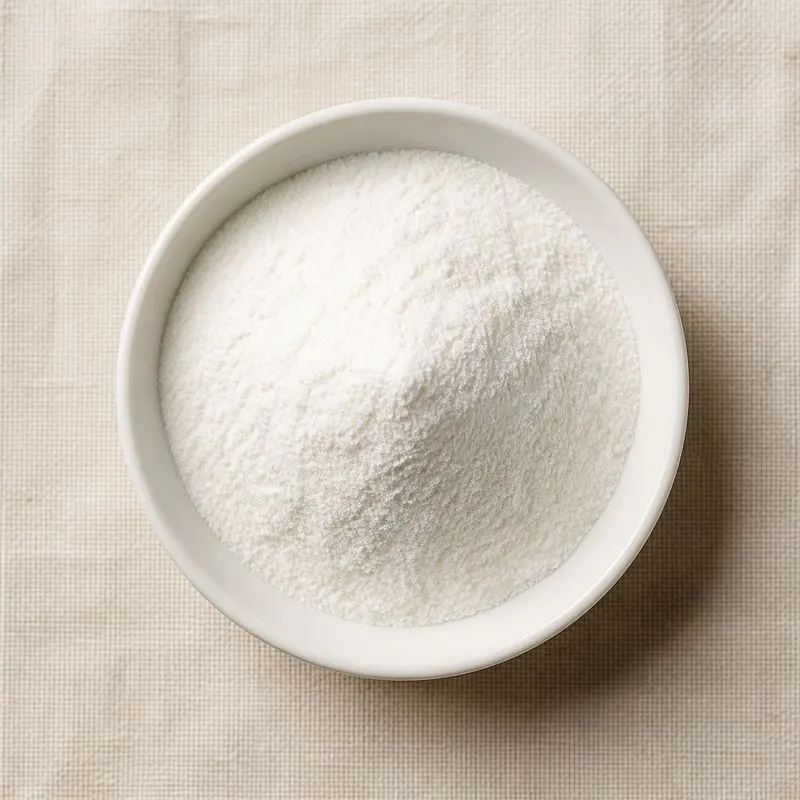
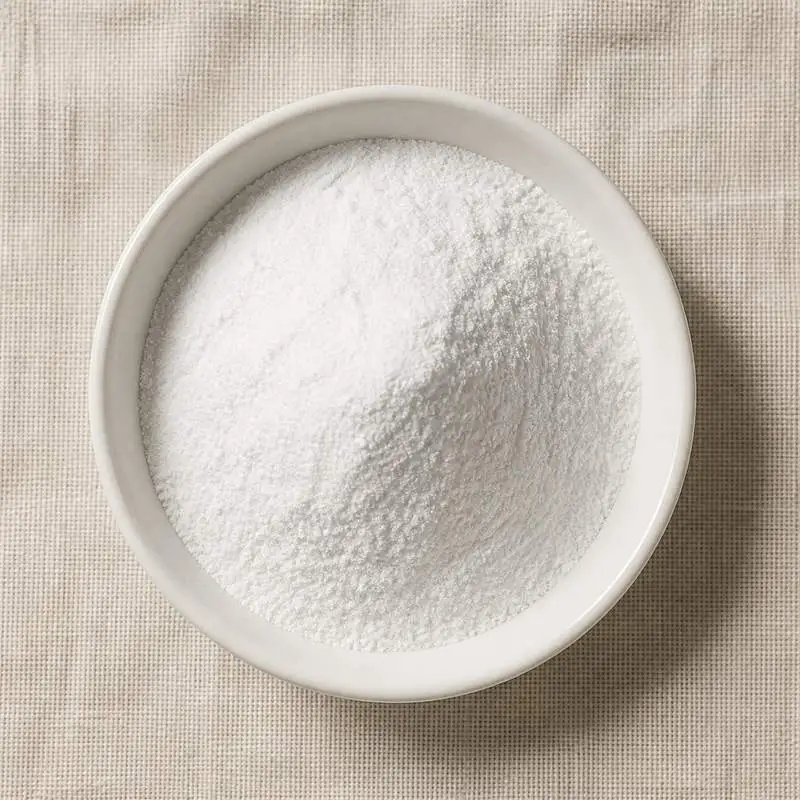
Material comes as a white to pale cream free flowing powder, usually on a carbohydrate carrier and often with a stabiliser, at activities from tens of thousands to several hundred thousand units per gram. It is soluble in water, giving a clear to slightly opalescent solution. Enzyme activity is the stability limit: the protein denatures with heat, with extremes of pH, and with proteolytic attack, and free superoxide dismutase given orally is largely digested, which is why the trade in this ingredient is closely tied to protective coating, encapsulation and gastric resistant delivery.
We source bulk Systase Y-sod from top China manufacturers for our partners. The manufacturer is in Guangdong. A smaller requirement can ship in a combined container with other ingredients.
Please send the grade you need, the volume and your destination port, and we will come back with a solution and a price.
or call +86-21-6858 0751
- Function
- Nutraceutical
Specifications
| Item | Specification |
|---|---|
| Appearance | White to pale cream free flowing powder |
| Identification | Superoxide dismutase activity confirmed by inhibition assay |
| Enzyme activity | 100,000 IU/g minimum by the declared assay method |
| Source organism | Declared yeast strain, non pathogenic and non toxigenic |
| Residual activity after gastric challenge, coated grade | Declared per lot |
| Crude protein | Declared per lot |
| Loss on drying | 6.0 percent maximum |
| Residue on ignition | 10.0 percent maximum |
| pH, 1 percent aqueous solution | 5.0 to 8.0 |
| Lead | 1.0 mg/kg maximum |
| Arsenic | 1.0 mg/kg maximum |
| Cadmium | 0.5 mg/kg maximum |
| Mercury | 0.1 mg/kg maximum |
| Total plate count | 10,000 cfu/g maximum |
| Yeast and mould | 500 cfu/g maximum |
| Escherichia coli | Absent in 1 g |
| Salmonella | Absent in 25 g |
| Production organism, viable | Absent |
Common Markets Grades
Grades are set by activity and by source organism. Activity is the primary specification, declared in international units per gram and measured by a defined assay, most often the inhibition of a superoxide dependent indicator reaction such as the cytochrome c or the nitroblue tetrazolium method; because different assays give different numerical results, the method is specified alongside the number. Standard supplement grades run from 50,000 to 500,000 units per gram, with the higher activities produced by further purification rather than by a different fermentation.
Source is the second axis. Yeast derived preparations, including those from deep sea and extremophile isolates selected for a more thermostable and acid tolerant enzyme, compete with melon derived superoxide dismutase from Cucumis melo and with bacterial preparations. Buyers specify the organism and the strain because the enzyme differs between them in metal cofactor, thermal stability and the pH range over which it stays active, and because the regulatory basis differs by source.
The third axis is protection. Uncoated powder is the base grade. Gliadin coated, liposomal, and enteric or matrix protected grades are traded at a premium and are specified on the activity that survives a simulated gastric challenge, which is the only figure that matters for an orally dosed product. Buyers also specify the carrier, the residual protein and metal content, and whether the preparation is a purified enzyme or a whole yeast extract carrying the enzyme within its native matrix.
Applications
- Antioxidant supplements in capsule and tablet form, dosed on a declared superoxide dismutase activity
- Gastric protected supplement formats, where a coating or matrix is required for the enzyme to survive digestion
- Sports and recovery products, positioned on oxidative stress during and after exercise
- Skin brightening and anti-ageing supplements, a large category in East and Southeast Asian markets
- Combination antioxidant blends with glutathione, astaxanthin, vitamin C and coenzyme Q10
- Functional beverages and jellies, where the water solubility of the powder allows a clear dose
- Cosmetic serums and creams, where the enzyme is used topically for antioxidant positioning
- Animal feed and pet supplements, where superoxide dismutase preparations are used in oxidative stress and joint products
- Research and analytical use, where characterised enzyme serves as a reference in oxidative stress assays
China Manufacturers of Systase Y-sod
Top Systase Y-sod manufacturers in China.
Company names and logos are the property of the manufacturers themselves. They are listed here because our own directory records them as producing this ingredient. A listing is not an endorsement by them, and we do not represent them or speak on their behalf.
Regulatory Status
In the United States superoxide dismutase preparations are marketed as dietary ingredients under the Dietary Supplement Health and Education Act, with manufacture subject to current good manufacturing practice at 21 CFR Part 111 and a new dietary ingredient notification expected where a pre-1994 marketing history cannot be shown for the specific source organism and process. There is no food additive regulation covering superoxide dismutase as a supplement active, so use in conventional food would require an independent GRAS conclusion for the specified conditions of use; enzyme preparations used as processing aids in food are a separate regulatory category and their status does not carry across. The production organism must be non toxigenic and non pathogenic and the fermentation must be documented accordingly. Claims are limited to structure and function statements.
In the European Union a yeast derived superoxide dismutase preparation intended as a food or food supplement ingredient has no established history of significant consumption before May 1997 and falls within the scope of the Novel Food Regulation, Regulation (EU) 2015/2283, requiring authorisation and entry on the Union list before it may be placed on the market. This is distinct from the position of food enzymes used as processing aids, which Regulation (EC) No 1332/2008 governs and which await assessment for entry on the Union list of food enzymes, a framework that concerns technological use during manufacture rather than the enzyme as an active in a finished supplement. Directive 2002/46/EC additionally governs supplements, and no health claim relating to superoxide dismutase appears on the authorised list under Regulation (EC) No 1924/2006. Cosmetic use falls under Regulation (EC) No 1223/2009. Codex Alimentarius has no standard covering the enzyme, and JECFA specifications for enzyme preparations address technological use rather than supplement use.
Manufacturing Process
Production is a submerged aerobic fermentation followed by recovery of an intracellular protein. A working cell bank of the selected yeast strain is propagated through seed stages into a production fermenter charged with a sterile medium of glucose or molasses, a nitrogen source, phosphate and trace minerals, with copper, zinc and manganese supplied deliberately because they are the cofactors the enzyme requires and a deficiency in the medium caps the specific activity of the product. The vessel is run aerated at controlled temperature, pH and dissolved oxygen, and in some processes a controlled oxidative stress is applied late in the run to induce higher enzyme expression.
At the end of fermentation the biomass is separated from the spent medium by centrifugation or membrane filtration and washed. Because superoxide dismutase is intracellular, the cells must be broken: high pressure homogenisation, bead milling or enzymatic lysis of the cell wall releases the soluble protein fraction into the liquor. Cell debris is removed by centrifugation and by microfiltration, and the clarified lysate is held cold throughout, since the enzyme loses activity if the process runs warm.
Purification is by a sequence chosen for the target activity. Ammonium sulphate or solvent fractionation removes bulk protein; ultrafiltration concentrates the enzyme and removes salts and low molecular weight material; and ion exchange and hydrophobic interaction chromatography separate superoxide dismutase from the remaining yeast proteins, with activity tracked across every fraction rather than protein alone. Some processes add a cheap purification step: heating to a temperature the enzyme tolerates but most contaminating proteins do not.
The purified concentrate is diafiltered into a stabilising buffer, blended with a carrier such as maltodextrin or trehalose, and dried by lyophilisation or by spray drying with an inlet and outlet temperature profile chosen to limit denaturation. The dried powder is milled gently, assayed for activity, standardised by blending with carrier to the declared units per gram, and packed with desiccant behind a moisture barrier. Coated grades take an additional step in which the powder is encapsulated in a protein or lipid matrix before final blending.