UDP-Glucuronic Acid Sodium
UDP-glucuronic acid sodium is the sodium salt of uridine 5'-diphosphoglucuronic acid, the nucleotide sugar that serves as the glucuronosyl donor in biological glycosylation. It differs from UDP-glucose only in that the sugar carbon six has been oxidised from a primary alcohol to a carboxylic acid, which is why it is made from UDP-glucose rather than assembled separately.
Its function in ingredient manufacture is as an enzymatic building block. Glucuronosyltransferases transfer the glucuronic acid unit onto flavonoids, terpenoids, saponins and small-molecule actives, producing glucuronides that are far more water soluble than the parent compound. It is also the monomer donor used in enzymatic assembly of hyaluronic acid and chondroitin backbones, and it is used to prepare glucuronide reference standards for analytical laboratories.
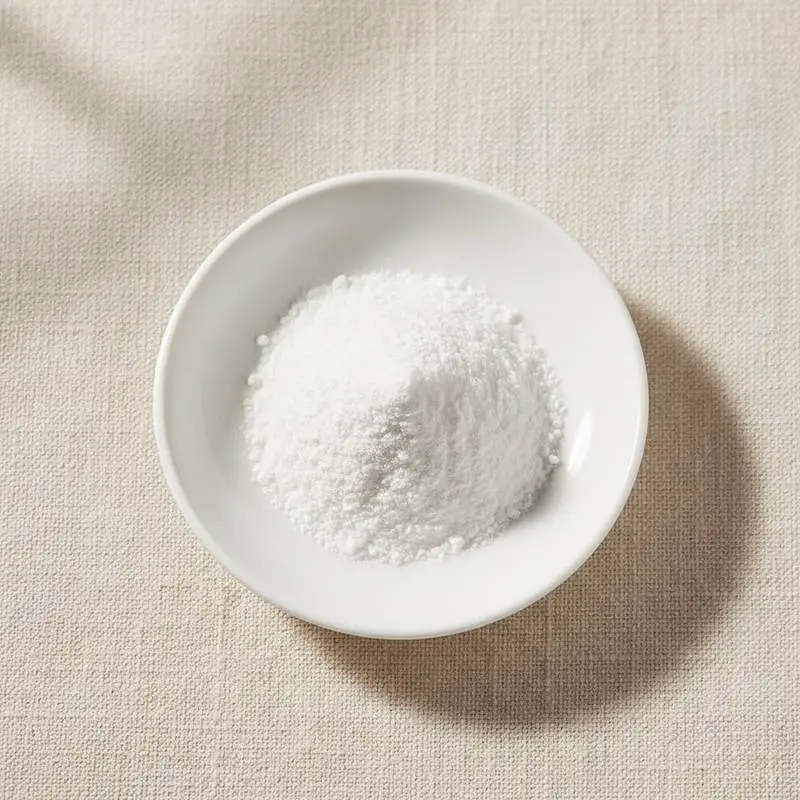
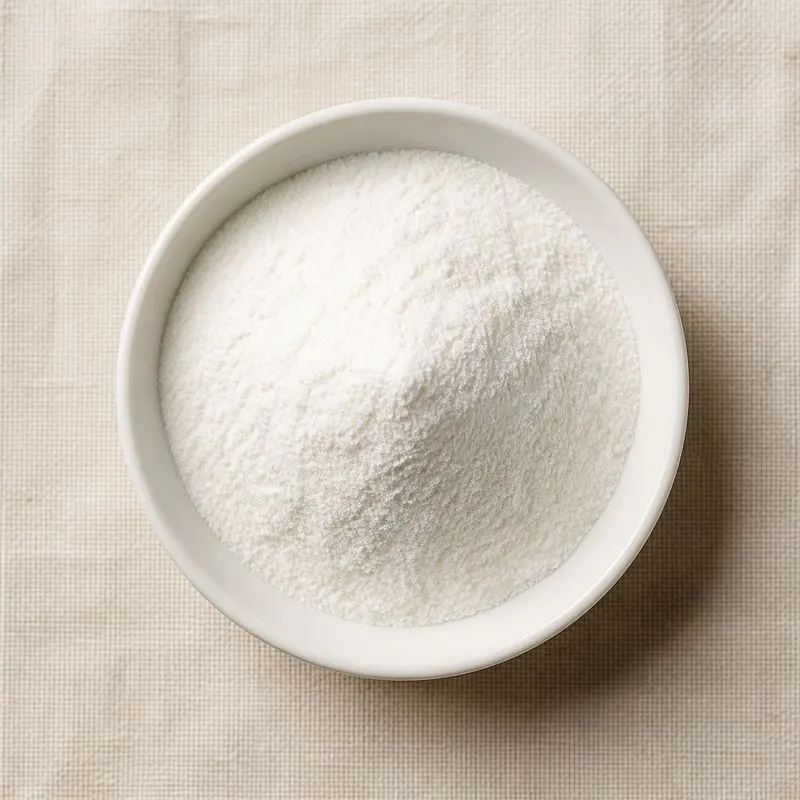
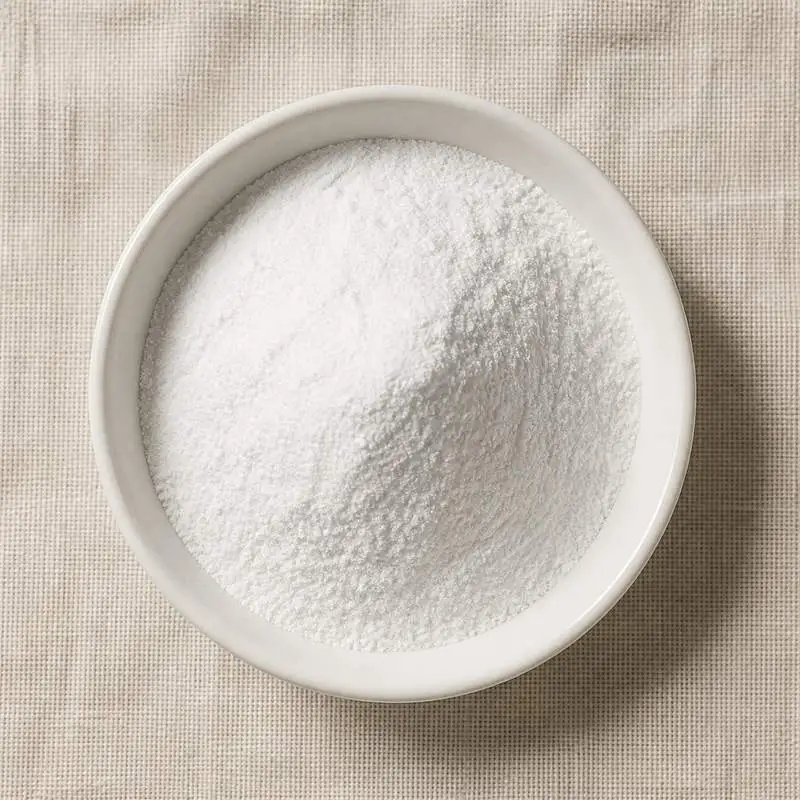
The commercial form is a white to pale yellow hygroscopic powder, usually the disodium or trisodium salt, freely soluble in water and giving a slightly alkaline solution. The pyrophosphate bridge is the weak point of the molecule, so the material is stored cold, sealed and dry, and aqueous solutions are used promptly.
We source bulk UDP-Glucuronic Acid Sodium from top China manufacturers for our partners. The manufacturer is in Anhui. A smaller requirement can ship in a combined container with other ingredients.
Please send the grade you need, the volume and your destination port, and we will come back with a solution and a price.
or call +86-21-6858 0751
- Function
- Nutraceutical
Specifications
| Item | Specification |
|---|---|
| Appearance | White to pale yellow amorphous powder |
| Assay (HPLC, anhydrous basis) | 90.0 percent minimum as UDP-glucuronic acid sodium salt |
| Identification | HPLC retention and UV maximum near 262 nm conform to reference standard |
| UDP-glucose | 3.0 percent maximum |
| Free uridine nucleotides | 3.0 percent maximum |
| Free glucuronic acid | 1.0 percent maximum |
| Water (Karl Fischer) | 8.0 percent maximum |
| pH (1 percent aqueous solution) | 6.5 to 8.5 |
| Residual protein | 0.5 percent maximum |
| Heavy metals (as Pb) | 10 mg/kg maximum |
| Lead | 1.0 mg/kg maximum |
| Arsenic | 1.0 mg/kg maximum |
| Total plate count | 1000 cfu/g maximum |
| Escherichia coli | Absent in 10 g |
Common Markets Grades
The product is sold mainly on assay and salt form. A biocatalysis grade of 90 to 95 percent on the anhydrous basis is the working article, specified with limits on UDP-glucose carryover, free glucuronic acid and free uridine nucleotides, all of which reflect incomplete oxidation or hydrolysis during synthesis. A reference or analytical grade of 98 percent minimum trades in gram to kilogram lots for standards work.
Disodium and trisodium salts are both traded and buyers specify which, because the counter-ion count changes the assay basis and the pH of the reconstituted solution. Material is filled into foil laminate pouches or amber glass under nitrogen with a stated water content, since the powder gains moisture quickly in open air.
Applications
- Enzymatic synthesis of flavonoid glucuronides such as baicalin and scutellarin derivatives for nutraceutical use
- Preparation of glycyrrhizin and triterpene glucuronides where a carboxylated sugar unit is required
- Enzymatic manufacture of hyaluronic acid oligosaccharides, in which it alternates with UDP-N-acetylglucosamine as the donor
- Chondroitin backbone assembly in defined enzymatic systems
- Production of drug and metabolite glucuronide standards used in analytical and residue laboratories
- Solubility modification of poorly soluble botanical actives before formulation into beverages
- Glycobiology and enzyme-kinetics research as a defined glucuronosyl donor
- Cofactor supply in multi-enzyme cascades that regenerate UDP after each transfer step
China Manufacturers of UDP-Glucuronic Acid Sodium
Top UDP-Glucuronic Acid Sodium manufacturers in China.
Company names and logos are the property of the manufacturers themselves. They are listed here because our own directory records them as producing this ingredient. A listing is not an endorsement by them, and we do not represent them or speak on their behalf.
Regulatory Status
UDP-glucuronic acid sodium is traded as a biochemical reagent and enzymatic intermediate rather than as a food additive. It has no independent approved status as a food ingredient in the United States, and the FDA position that matters in practice attaches to the finished glycoside or biopolymer made with it. Where such a product enters food, it is cleared on its own basis, for example through a GRAS notification for an enzymatically produced fermentation-derived ingredient, with residual nucleotide sugar controlled as a process residue.
The European Union assigns it no E number and treats it in the same way, as a substance used in manufacture, with the resulting ingredient assessed under the food additive or novel food frameworks. Codex and JECFA have not established specifications for the nucleotide sugar itself; their monographs address finished ingredients such as hyaluronic acid and enzymatically modified glycosides.
Manufacturing Process
Manufacture starts from UDP-glucose, which is itself made enzymatically from uridine triphosphate and glucose 1-phosphate. UDP-glucose dehydrogenase then oxidises carbon six of the glucose unit in two successive steps to the carboxylic acid, consuming two equivalents of the cofactor NAD. Because stoichiometric cofactor would be prohibitive, the reactor runs a regeneration loop in which a second dehydrogenase, typically acting on lactate or on glutamate, returns NADH to NAD continuously. The reaction is held at mild temperature and near-neutral pH, and the pH is trimmed with sodium hydroxide as the new carboxyl groups form, which is where the sodium salt originates.
Work-up begins with heat inactivation or ultrafiltration to strip enzyme protein, followed by anion exchange chromatography that resolves the more strongly retained glucuronic acid nucleotide from unreacted UDP-glucose and from free nucleotides. The eluate is desalted and concentrated by nanofiltration and low-temperature vacuum evaporation, adjusted to the target salt form, then freeze dried to a stable powder.