Astaxanthin CWS
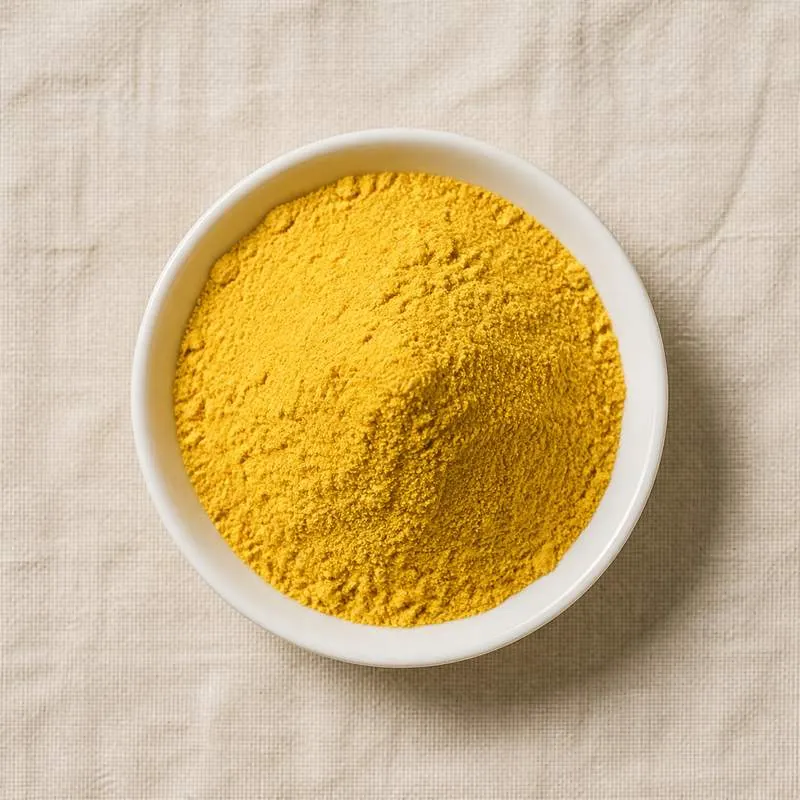
Astaxanthin CWS is a cold-water-soluble beadlet form of astaxanthin in which microscopic droplets of the carotenoid are embedded in a protective matrix of starch, gum, or modified polysaccharide. The beadlets disperse readily in cold aqueous systems, delivering a clean pink-to-red shade and the antioxidant profile associated with astaxanthin.
The format is essential because pure astaxanthin is highly lipophilic and will not disperse in water on its own. The encapsulation matrix also protects the heat-, light-, and oxygen-sensitive carotenoid against degradation during processing and storage.
We source bulk Astaxanthin CWS from top China manufacturers for our partners. The manufacturer is in Yunnan. A smaller requirement can ship in a combined container with other ingredients.
Please send the grade you need, the volume and your destination port, and we will come back with a solution and a price.
or call +86-21-6858 0751
- Packaging
- 20 kg fibre drum, light-shielded
- ISO 9001
- HACCP
- Halal
- Kosher
Specifications
| Item | Specification |
|---|---|
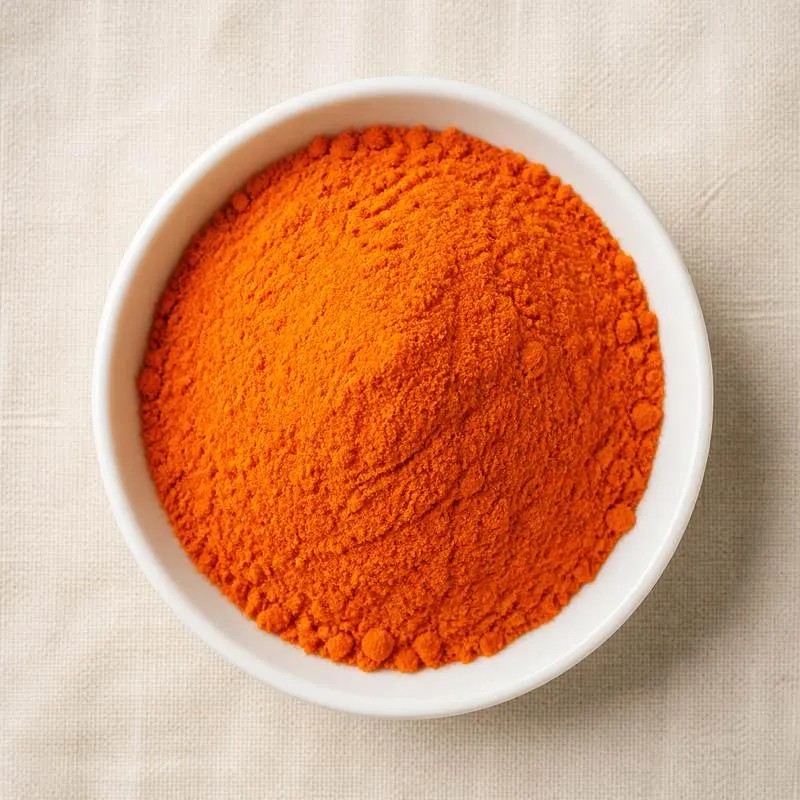
| Appearance | Orange-red free-flowing powder |
| Astaxanthin Content | 1.0-10.0% (grade-dependent) |
| Dispersibility | Cold-water dispersible |
| Moisture | ≤ 8.0% |
| Particle Size (80 mesh) | ≥ 95% |
| Total Plate Count | ≤ 1,000 cfu/g |
| Heavy Metals (as Pb) | ≤ 2 mg/kg |
| Arsenic | ≤ 1 mg/kg |
Common Markets Grades
Astaxanthin CWS is graded by the astaxanthin concentration within the beadlet.
Standard commercial grades are 1 percent, 2.5 percent, and 5 percent astaxanthin. The 1 percent grade is the standard choice for beverage and dairy work where accuracy at low dosage and clean dispersion are required. The 2.5 percent and 5 percent grades concentrate the active for confectionery, supplements, and high-colour applications.
Matrix composition varies by intended use. Modified starch and gum arabic carriers, often combined with maltodextrin, are common for beverage and dairy use. Fish-gelatin or pectin matrices serve supplement applications and avoid bovine and porcine ingredients.
Both natural (from Haematococcus pluvialis) and synthetic source variants are produced, with the natural form preferred for human nutrition and clean-label positioning, and the synthetic form widely used in aquaculture feed beadlets. Tocopherols and ascorbyl palmitate are typically included as antioxidants in the matrix.
Applications
- Functional beverages, juices, and ready-to-drink supplements where water dispersion is required
- Sports nutrition and protein drinks for pink-orange colour and antioxidant positioning
- Dairy: flavoured milks, yogurt drinks, and dairy alternatives
- Soft-chew supplements, gummies, and pastilles
- Tablet cores and coated tablets in nutraceutical applications
- Hard-shell and two-piece capsules for dietary supplements
- Sachet dry beverage mixes and instant powders
- Confectionery: panned coatings, hard candies, and lozenges
- Cosmetic emulsions and gel formats in the personal care category
- Aquaculture feed premixes for salmon, trout, and shrimp pigmentation when water dispersion aids mixing
- Pet supplements in soft chew and liquid formats
Brands Using Astaxanthin CWS
Widely-distributed consumer products that list Astaxanthin CWS on the ingredient label.
Brand names, product names and logos are the property of their owners. They appear here as published evidence that the ingredient is used, taken from the brand's own label or website. Their appearance is not an endorsement, and it does not mean the brand buys from us or from any manufacturer listed on this site.
China Manufacturers of Astaxanthin CWS
Top Astaxanthin CWS manufacturers in China.
Company names and logos are the property of the manufacturers themselves. They are listed here because our own directory records them as producing this ingredient. A listing is not an endorsement by them, and we do not represent them or speak on their behalf.
How We Help Source Astaxanthin CWS
Direct Factory Sourcing
We run the whole process: selecting the manufacturer from the top Chinese food ingredient producers, negotiating the price, verifying quality, and coordinating the logistics. You deal with us instead of with several factories at once.
Original Packaging and Documents from the Manufacturer
The manufacturer sends your Astaxanthin CWS out of its own factory in the original packing, through to your destination port. The COA, COO, MSDS, TDS and any certifications reach you from the manufacturer as well.
Free Samples and Lead Time
We send 100 to 500 g free for your own laboratory to test and you cover only the courier, usually within 2 to 3 working days. ETD is usually within 7 to 15 days once the order is confirmed, and we check that date against the factory's own manufacturing schedule before we give it to you.
Combined Shipment
We can load Astaxanthin CWS together with other ingredients such as Beta Carotene, Caramel Colour and Lycopene into one 20' FCL. If your quantity is small, we can also ship LCL.
Regulatory Status
Astaxanthin from Haematococcus pluvialis is recognised as a dietary ingredient in the United States under DSHEA, and the FDA has issued no-objection letters to GRAS notifications for use in conventional foods and beverages within specified categories and use levels.
The European Union authorised astaxanthin-rich oleoresin from Haematococcus pluvialis as a novel food, with later expansions covering additional formats. Use as a feed additive in aquaculture is regulated separately under feed-additive legislation.
Synthetic astaxanthin is widely approved as a feed additive for fish and crustacean pigmentation in essentially all major markets, though human food and supplement use of synthetic astaxanthin is more restricted than the natural form in some jurisdictions.
The beadlet matrix components (starches, gums, gelatin, plasticizers, and antioxidants) are individually approved food ingredients. Vegan certification is possible when fish-gelatin and dairy-derived ingredients are excluded from the matrix.
Manufacturing Process
The beadlet process begins with an oleoresin or oil suspension of astaxanthin, either extracted from Haematococcus biomass or prepared from a synthetic crystal dissolved in carrier oil.
The oil phase is emulsified into a hot aqueous solution containing the matrix polymers (modified starch, gum arabic, maltodextrin, or fish gelatin), antioxidants, and a plasticizer such as sucrose or trehalose. High-shear or high-pressure homogenisation reduces the astaxanthin droplets to sub-micron size.
The fine emulsion is then sprayed into a chilled starch bed (matrix-bed spray drying) or onto a cooled belt, where the droplets solidify into discrete beadlets. The starch is sieved off and the beadlets are dried, screened, and standardised.
The finished beadlets are typically 100 to 500 micrometres in diameter and contain astaxanthin protected from oxygen by the matrix walls and antioxidant package. On addition to water they hydrate and release a fine dispersion of colour.