Edible Glucose
Edible glucose is the trade designation for glucose produced and certified to food grade specification, as distinct from the fermentation grade sold as a carbon source to industrial fermenters and from the pharmaceutical grade made to pharmacopoeial monographs for oral and parenteral use. The chemistry is identical in all three; what differs is the tightness of the colour, ash, chloride, sulphate, heavy metal and microbiological limits, and the documentation that accompanies the shipment.
The name covers more than one physical article. Crystalline edible glucose, sold as dextrose, comes either as the monohydrate carrying one molecule of water of crystallisation, or as the anhydrous crystal at above 99 percent assay. Edible glucose is also traded as liquid glucose or glucose syrup, which is not pure glucose at all but a mixture of glucose, maltose and higher saccharides from the partial hydrolysis of starch, and as dried glucose syrup or glucose solids, which is that syrup spray dried to a powder. Buyers should establish which form is meant, since the three behave differently.
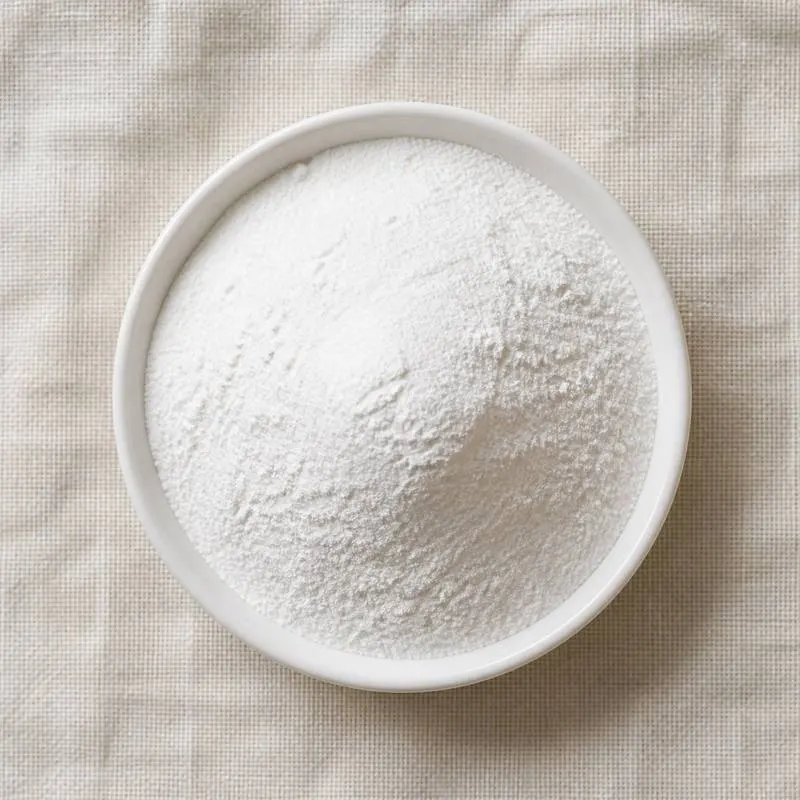
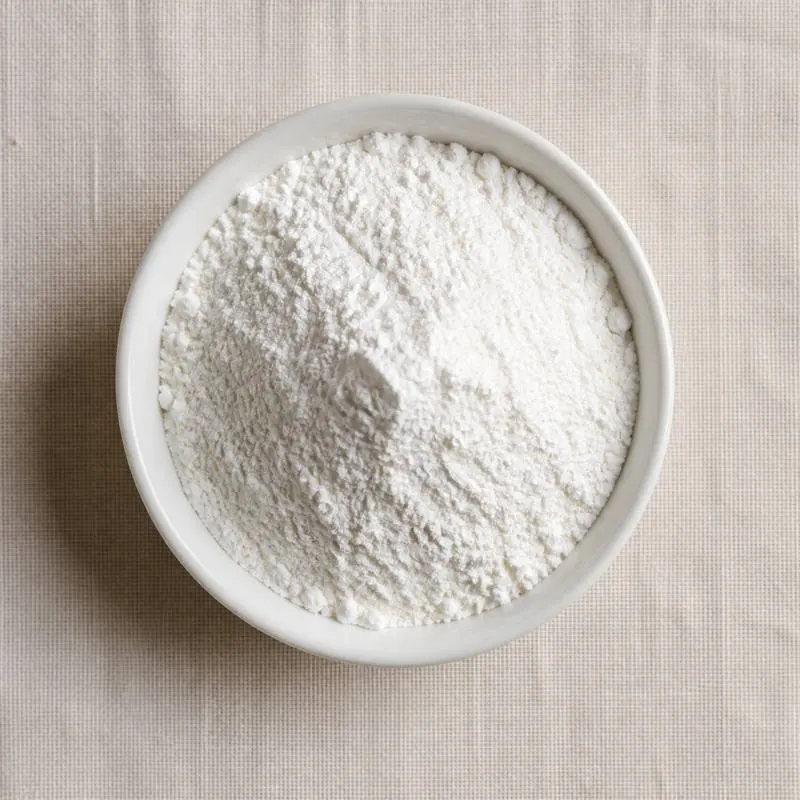
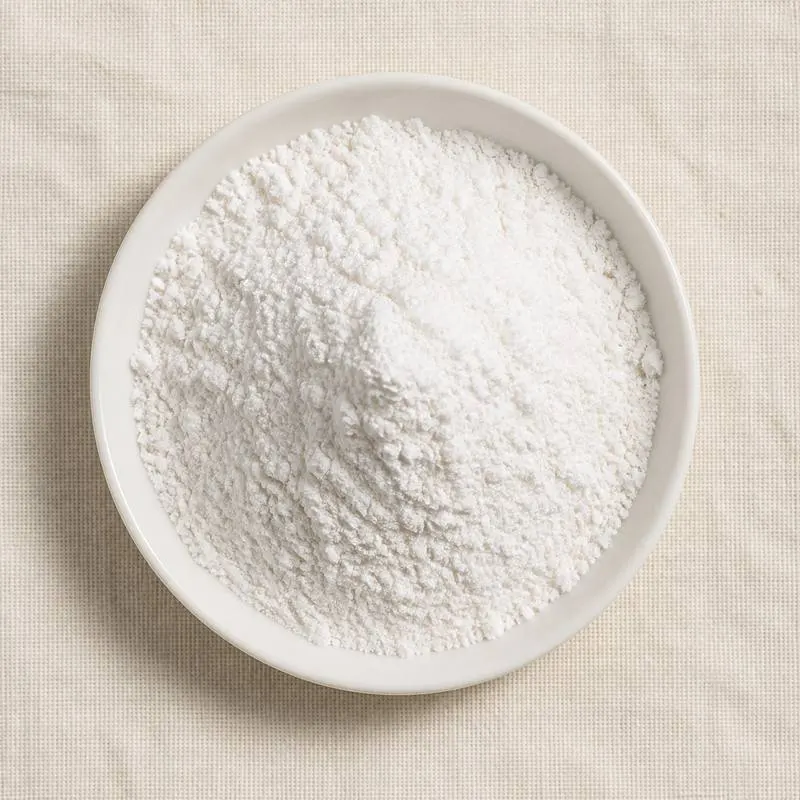
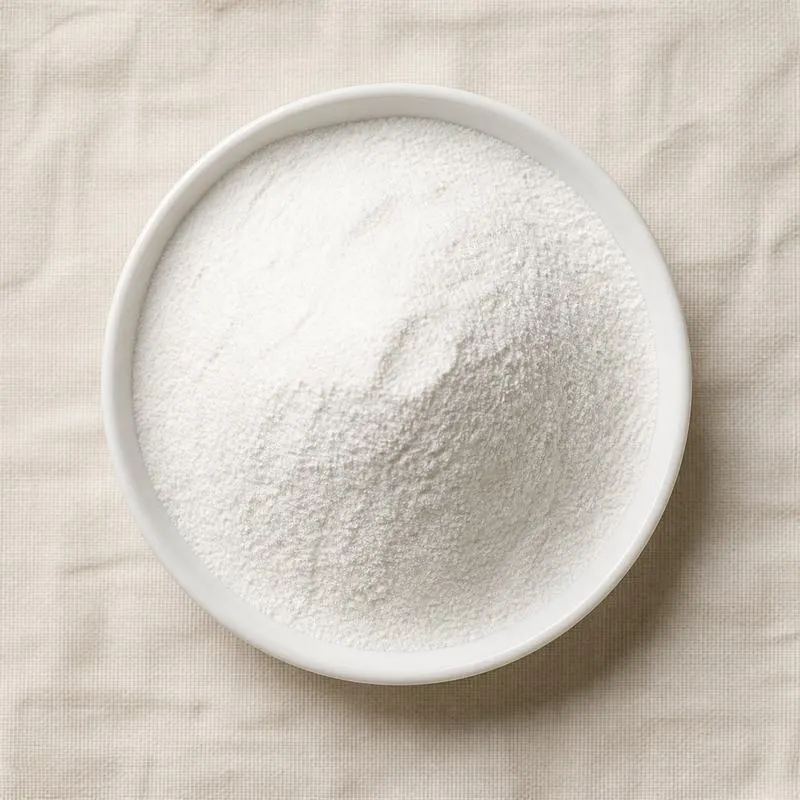
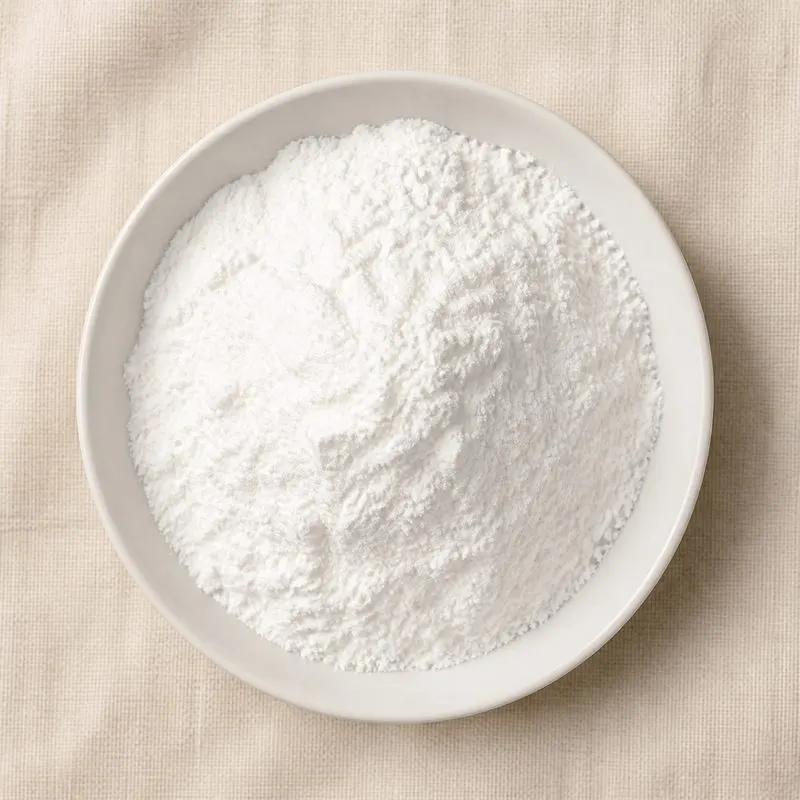
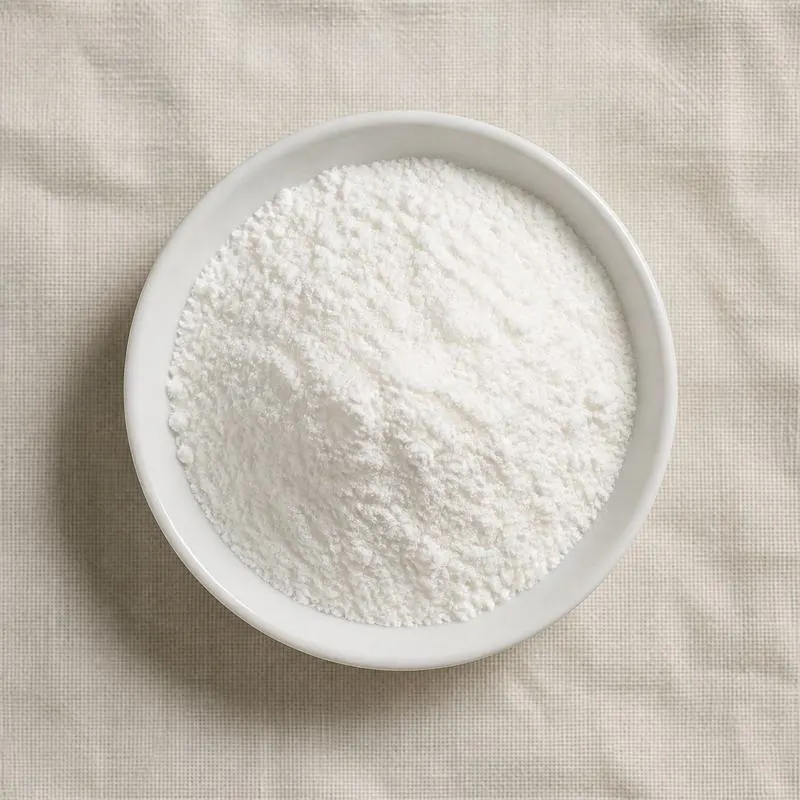
The crystalline forms are white, odourless, mildly sweet at 70 to 80 percent the sweetness of sucrose, with a marked cooling effect on dissolution and a strong tendency to Maillard browning because the aldehyde group is free. They dissolve readily in water, more so as temperature rises, and are directly fermentable by yeast. Glucose syrup is a viscous, clear to pale straw liquid whose sweetness, viscosity and browning behaviour follow its dextrose equivalent.
We source bulk Edible Glucose from top China manufacturers for our partners. The manufacturer is in Shandong. A smaller requirement can ship in a combined container with other ingredients.
Please send the grade you need, the volume and your destination port, and we will come back with a solution and a price.
or call +86-21-6858 0751
- Function
- Texturisers
Specifications
| Item | Specification |
|---|---|
| Appearance | White odourless crystalline powder, sweet taste, free of foreign matter |
| Assay, dextrose on dry basis | 99.5 percent minimum |
| Identification | Infrared spectrum and specific rotation conform to reference |
| Specific rotation | Plus 52.5 to plus 53.3 degrees |
| Loss on drying, monohydrate | 7.5 to 9.5 percent |
| Sulphated ash | 0.1 percent maximum |
| Solution colour and clarity, 10 percent | Clear, not more coloured than reference solution |
| pH, 10 percent aqueous solution | 4.0 to 6.5 |
| Chloride | 125 mg/kg maximum |
| Sulphate | 200 mg/kg maximum |
| Sulphur dioxide | 20 mg/kg maximum |
| Lead | 0.5 mg/kg maximum |
| Arsenic | 1.0 mg/kg maximum |
| Total plate count | 1000 cfu/g maximum |
| Yeast and mould | 100 cfu/g maximum |
| E. coli | Absent in 1 g |
| Salmonella | Absent in 25 g |
Common Markets Grades
Within the food grade tier the material is graded first by form. Dextrose monohydrate is the cheaper and more common crystal; dextrose anhydrous is specified where the formulation cannot tolerate the water the monohydrate brings. Glucose syrup is graded by dextrose equivalent, with the standard trade points at 28 to 38, 42, 55 and 62 to 65, and by saccharide profile, with high maltose syrups traded separately from regular conversion syrups. Dried glucose syrup is graded by dextrose equivalent and by bulk density.
Physical form is the second variable in the crystalline grades. Standard crystal is used for dissolution, milled and fine powder for dry blending and chocolate work, and spray dried or fluid bed agglomerated grades for direct compression tabletting and instant dissolving beverage powders. Beyond that, food grade material is certified against the Food Chemicals Codex or Codex sugars specifications, and kosher, halal, non genetically modified and organic certification is offered where the maize supply supports it.
Applications
- Bakery, as a directly fermentable sugar for yeast and a driver of crust colour through Maillard browning
- Confectionery and chewing gum, contributing bulk, a cooling mouthfeel and, in the syrup forms, crystallisation control
- Sports drinks, energy gels and oral rehydration powders, as a rapidly absorbed carbohydrate
- Cured and fermented meat products, feeding the starter culture and supporting colour development
- Ice cream and frozen desserts, depressing the freezing point and controlling ice crystal growth
- Dry seasoning blends, soup powders and instant beverages, as a free flowing carrier and bulking sugar
- Tabletting and effervescent products, in the spray dried grade, as a directly compressible filler
- Jams, sauces and canned fruit, adjusting solids and controlling sugar crystallisation
- Caramel colour and caramel flavour manufacture, as the reducing sugar substrate
- Infant and clinical nutrition, as an easily digested carbohydrate source
China Manufacturers of Edible Glucose
Top Edible Glucose manufacturers in China.

Company names and logos are the property of the manufacturers themselves. They are listed here because our own directory records them as producing this ingredient. A listing is not an endorsement by them, and we do not represent them or speak on their behalf.
Regulatory Status
In the United States glucose in all these forms is a food rather than a food additive. Crystalline material is labelled as dextrose and syrup as corn syrup or glucose syrup, all are treated as generally recognised as safe in their ordinary food uses, and the Food Chemicals Codex carries identity and purity specifications for dextrose monohydrate, dextrose anhydrous, corn syrup and corn syrup solids. The USP-NF dextrose monographs govern pharmaceutical grade, with additional endotoxin requirements for parenteral material.
In the European Union these are sugars regulated under the sugars directive, which lays down compositional criteria and reserved names for dextrose monohydrate, dextrose anhydrous, glucose syrup and dried glucose syrup, and none of them carries an E number. Codex maintains a standard for sugars covering the same articles, setting the dextrose content, dextrose equivalent, moisture, ash and sulphur dioxide criteria used in international trade. Where sulphur dioxide is present as a processing residue it is subject to the sulphite declaration threshold in the European Union. The enzymes used are processing aids subject to their own authorisation frameworks, and glucose syrup derived from wheat is exempted from gluten allergen declaration in the European Union.
Manufacturing Process
All edible glucose starts from starch, in practice almost always maize starch from a wet milling plant. Starch milk at about 30 to 35 percent solids is dosed with a thermostable alpha amylase and jet cooked at around 105 to 110 degrees Celsius, which gelatinises the granules and cleaves the chains into soluble dextrins. The liquefied stream is flashed, cooled and saccharified. How far that saccharification is taken determines which article results: stopping at a partial conversion and evaporating gives glucose syrup, while driving the conversion to completion with glucoamylase and a debranching pullulanase over one to three days, to a dextrose equivalent above about 95, gives a liquor from which crystalline dextrose can be recovered.
The refining train is common to both. The liquor is filtered on a rotary vacuum precoat filter or membrane to remove protein and residual fat, decolourised over granular activated carbon, and demineralised through cation and anion exchange resin beds. Syrup is then evaporated under vacuum to the target solids, cooled and stored. For crystalline product the liquor is evaporated to supersaturation, seeded and cooled slowly in a crystalliser, with the monohydrate forming below about 50 degrees Celsius and the anhydrous crystal above roughly 55. The massecuite is centrifuged to separate crystal from mother liquor, and the crystal is washed, dried in a fluid bed or rotary drier, cooled, screened and packed. Dried glucose syrup is made by spray drying the refined syrup instead of crystallising it.