Isomaltooligosaccharide
Isomaltooligosaccharide, abbreviated IMO and assigned CAS number 499-40-1, is a mixture of short glucose oligomers linked predominantly through α-(1,6) glycosidic bonds, with smaller fractions of α-(1,4) and α-(1,3) linkages.
The mixture is mildly sweet, around 30 to 60 percent the sweetness of sucrose, and is positioned in the marketplace as a prebiotic carbohydrate that resists rapid digestion in the upper gut and reaches the colon largely intact.
We source bulk Isomaltooligosaccharide from top China manufacturers for our partners, working with several of them. The manufacturers are mostly in Shandong, Shanghai and Guangdong. A smaller requirement can ship in a combined container with other ingredients.
Please send the grade you need, the volume and your destination port, and we will come back with a solution and a price.
or call +86-21-6858 0751
- Packaging
- 250 kg plastic drum or 1,000 kg IBC tote
- ISO 9001
- HACCP
- Halal
- Kosher
Specifications
Grades / Types Available: Food Grade
| Item | Specification |
|---|---|
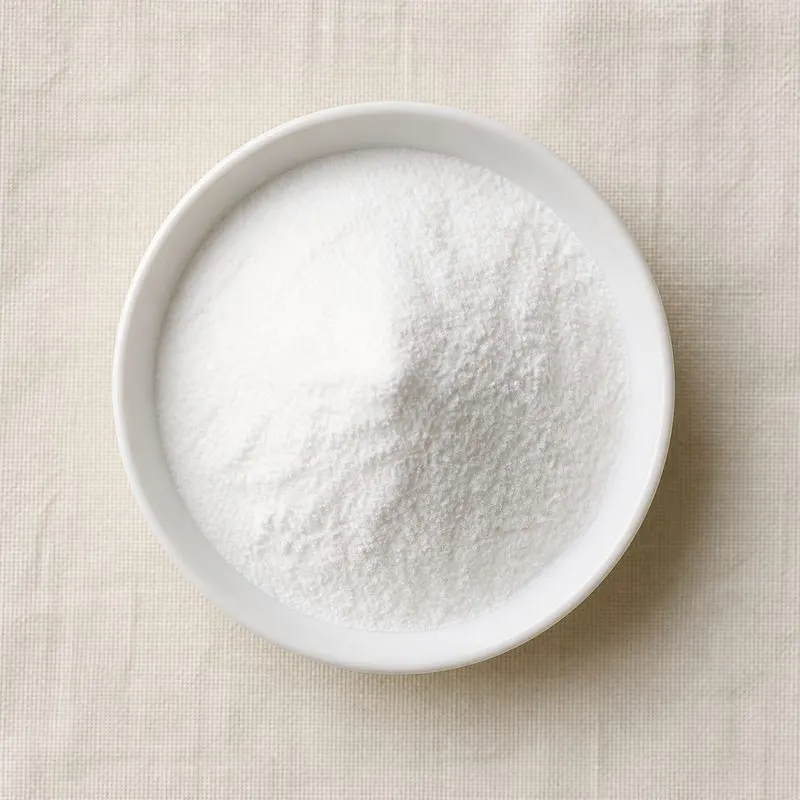
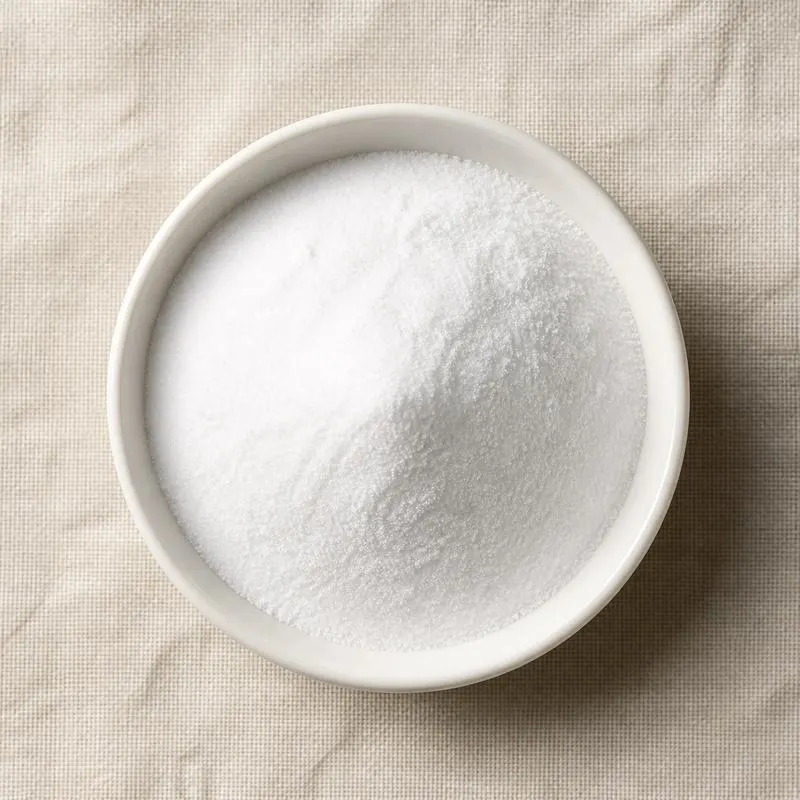
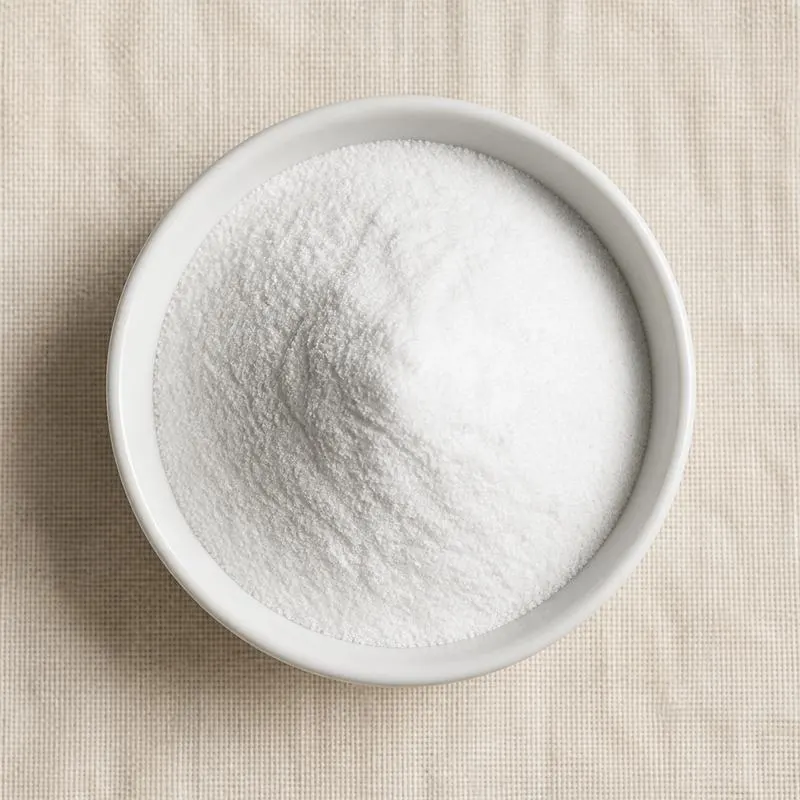
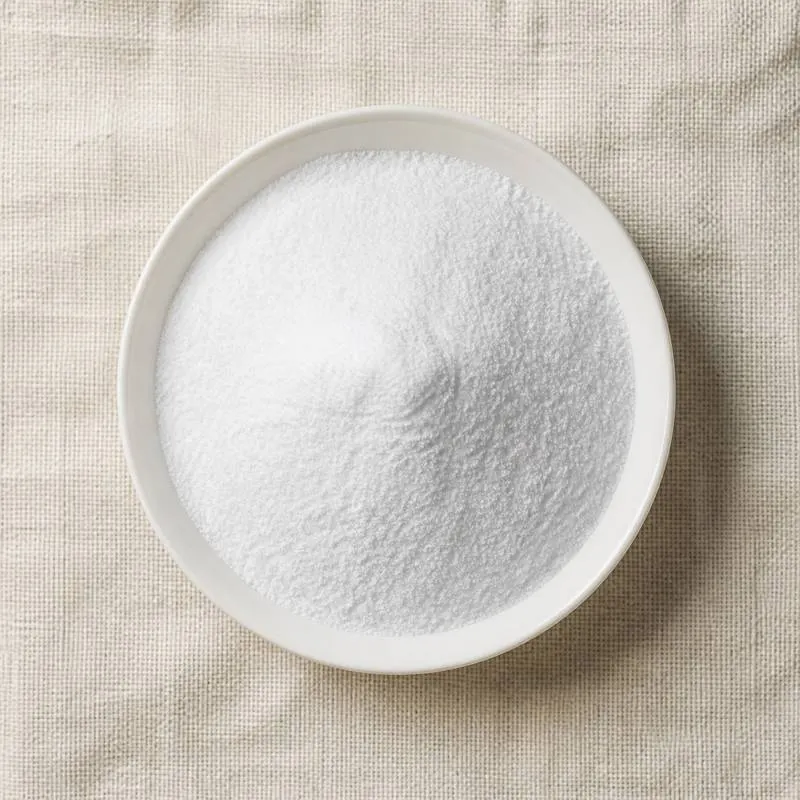
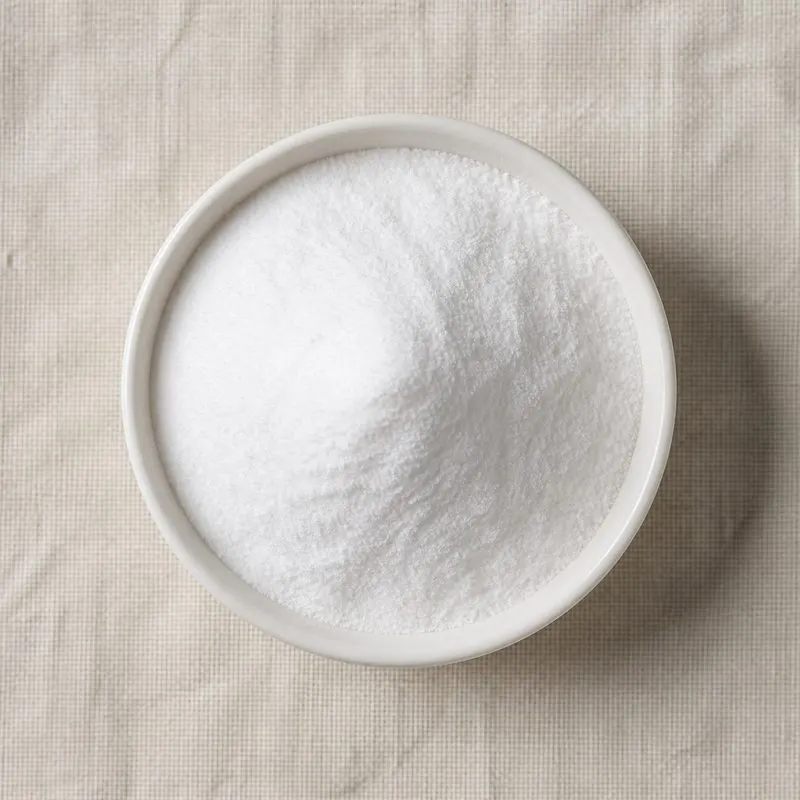
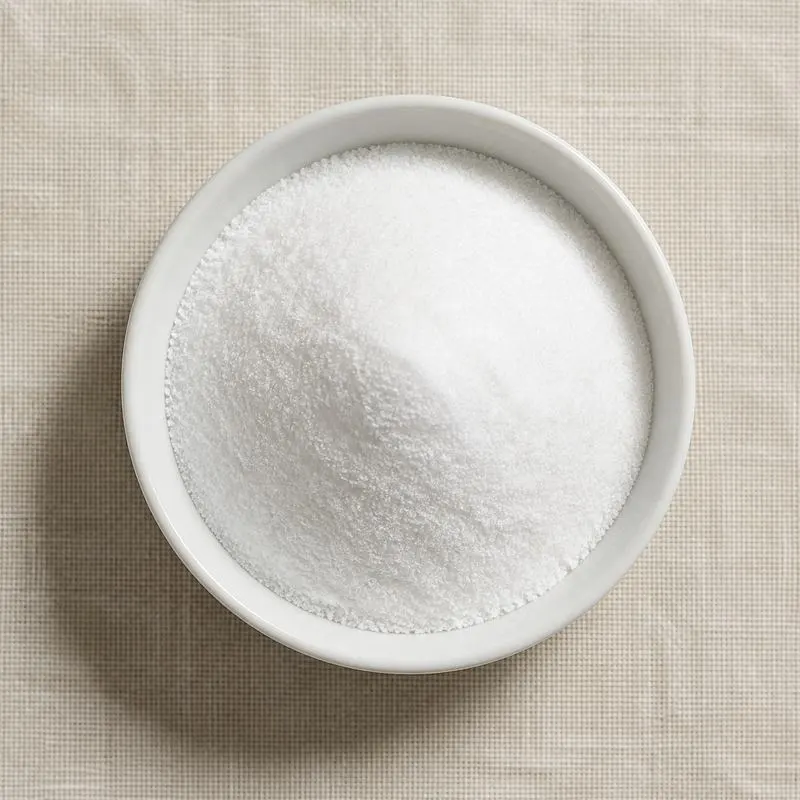
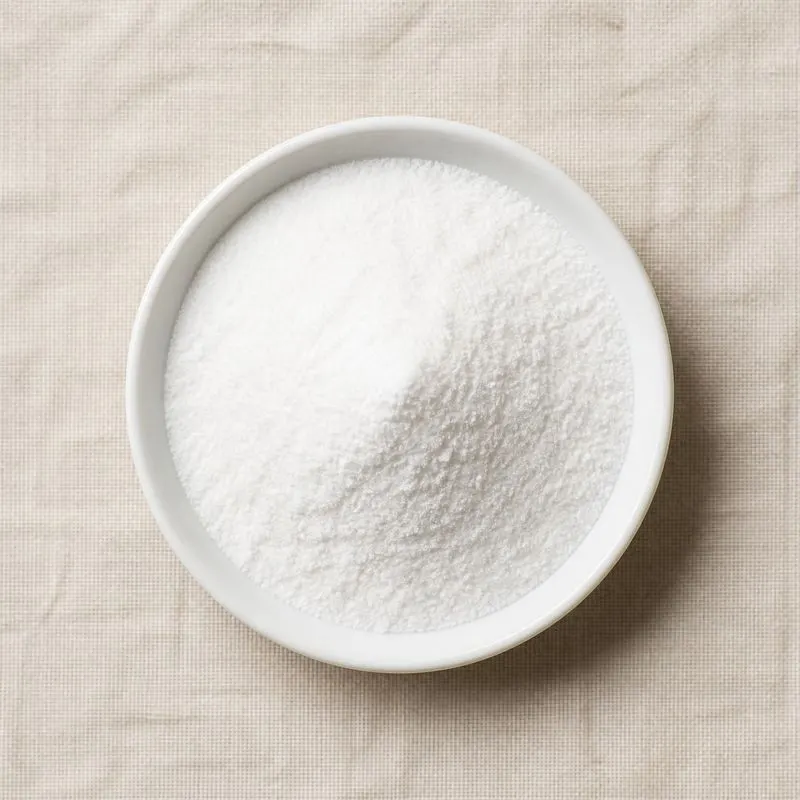
| Appearance | White fine powder or clear syrup |
| IMO Content (dry basis) | ≥90% (powder) / ≥50% (syrup) |
| Moisture (powder) | ≤5.0% |
| Ash | ≤0.3% |
| pH (10% sol.) | 4.0–6.0 |
| Sulphated Ash | ≤0.3% |
| SO₂ | ≤40 mg/kg |
| Heavy Metals (as Pb) | ≤0.5 mg/kg |
| Arsenic | ≤0.5 mg/kg |
| Total Plate Count | ≤1,000 cfu/g |
| Yeast & Mould | ≤100 cfu/g |
| Purity/Assay | ≥ 90% |
| Moisture/Loss on Drying | ≤ 5% |
| Lead | ≤ 1 ppm |
| Yeast & Mold | ≤ 100 cfu/g |
Common Markets Grades
Isomaltooligosaccharide is produced either as a clear viscous syrup at 75 percent solids or as a free-flowing spray-dried powder.
The two principal grades are IMO-500 and IMO-900, named for their approximate molecular weight ranges. IMO-500 carries a higher proportion of isomaltose and panose, with a slightly sweeter and lower-viscosity profile.
IMO-900 is richer in higher oligomers such as isomaltotriose, isomaltotetraose, and panose, giving lower sweetness and a higher prebiotic-positioned fibre claim under regional fibre definitions.
Both grades specify the α-(1,6) linkage content, the total reducing sugar content, and the residual glucose, since the prebiotic positioning depends on a low free-glucose fraction.
Applications
- Nutrition bars, protein bars, and meal replacement bars as a fibre-positioned sweetener and binder
- Low-sugar baked goods including cookies, brownies, and muffins
- Yogurts, kefir, and cultured dairy products with prebiotic positioning
- Functional beverages, sports drinks, and gut-health shots
- Cereals, granola, and breakfast clusters
- Confectionery including chocolates and fruit chews
- Infant and toddler nutrition products in certain regional formulations
- Frozen desserts and reduced-sugar ice cream
- Sauces, dressings, and condiments for mild sweetness without sucrose
- Companion-animal foods and treats for digestive support
- Powdered nutritional supplements and meal replacement shakes
- Asian traditional sweets including amazake and millet candies
Brands Using Isomaltooligosaccharide
Widely-distributed consumer products that list Isomaltooligosaccharide on the ingredient label.
- VitaFiber (BioNeutra North America)VitaFiber IMO Powder (tapioca starch source) ↗BioNeutra's branded consumer-facing IMO product sold direct as a baking/sweetener ingredient. Sole functional ingredient: isomalto-oligosaccharide (IMO) derived from tapioca, pea, or corn starch.Label verified 2026-05-24
- VitaFiber (BioNeutra North America)VitaFiber IMO Syrup (tapioca) ↗Direct-to-consumer syrup form of VitaFiber IMO; product label declares isomalto-oligosaccharide syrup from tapioca starch as the sole ingredient.Label verified 2026-05-24
- B-Up (Yup Brands)B-Up Protein Bar (PB&J and other flavors) ↗B-Up bar ingredient panel includes 'Isomalto-Oligosaccharides (Tapioca)' as a primary fibre/sweetener; brand markets IMO as prebiotic fibre.Label verified 2026-05-24
- Optimum Nutrition (Glanbia Performance Nutrition)Optimum Nutrition Protein Crisp Bar (Peanut Butter Crunch) ↗Ingredient panel for Optimum Nutrition Protein Crisp / Protein Crunch bars lists isomalto-oligosaccharides as a primary sweetening/fibre component (second ingredient after the protein blend in PB Crunch variant).Label verified 2026-05-24
Brand names, product names and logos are the property of their owners. They appear here as published evidence that the ingredient is used, taken from the brand's own label or website. Their appearance is not an endorsement, and it does not mean the brand buys from us or from any manufacturer listed on this site.
China Manufacturers of Isomaltooligosaccharide
Top Isomaltooligosaccharide manufacturers in China.
 Bioakso (Shanghai) Supply Chain Co., Ltd.2 ingredients in the directory
 Guangzhou Shuangqiao Company Ltd.7 ingredients in the directory
 Shandong Bailong Chuangyuan Bio-tech Co., Ltd.8 ingredients in the directory
- Shandong Fortune Food Co., Ltd.3 ingredients in the directory
 Shandong Starlight So True Biotechnology Co., Ltd.9 ingredients in the directory
 Shandong Tianmei Biotech Co., Ltd.9 ingredients in the directory
 Shijiazhuang Huiyuan Starch Co., Ltd.7 ingredients in the directory
- Tangchengtang (Shandong) Biotechnology Co., Ltd.2 ingredients in the directory
Company names and logos are the property of the manufacturers themselves. They are listed here because our own directory records them as producing this ingredient. A listing is not an endorsement by them, and we do not represent them or speak on their behalf.
How We Help Source Isomaltooligosaccharide
Direct Factory Sourcing
We run the whole process: selecting the manufacturer from the top Chinese food ingredient producers, negotiating the price, verifying quality, and coordinating the logistics. You deal with us instead of with several factories at once.
Original Packaging and Documents from the Manufacturer
The manufacturer sends your Isomaltooligosaccharide out of its own factory in the original packing, through to your destination port. The COA, COO, MSDS, TDS and any certifications reach you from the manufacturer as well.
Free Samples and Lead Time
We send 100 to 500 g free for your own laboratory to test and you cover only the courier, usually within 2 to 3 working days. ETD is usually within 7 to 15 days once the order is confirmed, and we check that date against the factory's own manufacturing schedule before we give it to you.
Combined Shipment
We can load Isomaltooligosaccharide together with other ingredients such as Stevia, Erythritol and Maltitol into one 20' FCL. If your quantity is small, we can also ship LCL.
Regulatory Status
Isomaltooligosaccharide is treated as a conventional food ingredient or as a dietary fibre in most regulated markets.
In the United States, IMO has a self-affirmed GRAS notification on file with the FDA for use as a sweetener and bulking agent. The FDA's 2018 and 2024 guidance on dietary fibre labelling does not currently include IMO in its list of fibres eligible for the fibre declaration on the Nutrition Facts panel, which has reshaped the North American market in recent years.
In Canada, IMO is recognised as a source of dietary fibre under Health Canada guidance, provided that the product meets the published compositional and physiological criteria.
Japan permits IMO under FOSHU (Foods for Specified Health Uses) for digestive health claims, and Korean and Southeast Asian markets recognise it broadly as a functional sweetener. EFSA has not authorised specific health claims for IMO in the European Union.
Manufacturing Process
Isomaltooligosaccharide is made by a two-step enzymatic process starting from a high-maltose starch hydrolysate.
Cornstarch or tapioca starch is first liquefied with thermostable α-amylase and saccharified with β-amylase and pullulanase to yield a syrup rich in maltose and short malto-oligomers, similar to the feedstock used for maltose syrup production.
The high-maltose syrup is then treated with α-glucosidase (transglucosidase) from Aspergillus niger, which catalyses a transglycosylation reaction that converts α-(1,4) bonds into α-(1,6) bonds. The reaction generates the characteristic isomalto-linked oligomers, principally isomaltose, panose, isomaltotriose, and isomaltotetraose.
The hydrolysate is refined by activated carbon decolorisation, ion exchange demineralization, and chromatographic enrichment to raise the isomalto-oligomer fraction and reduce residual glucose. The finished product is concentrated to a syrup or spray-dried to a powder.