Rosemary Extract Antioxidants
Rosemary extract antioxidants are refined preparations of Rosmarinus officinalis leaf used to delay oxidative rancidity in fats, oils and fat-containing foods. They are the most widely traded plant-derived alternative to the synthetic phenolic antioxidants and are the basis of most clean-label antioxidant systems.
Activity comes from two families of constituents that behave differently. The phenolic diterpenes, carnosic acid and its oxidation products carnosol and rosmanol, are oil-soluble and do the work in the lipid phase, surviving frying and baking temperatures. Rosmarinic acid, a caffeic acid ester, is water-soluble and acts in the aqueous phase and at the interface. A preparation is defined by which of these it carries and at what level, and the two are sometimes combined so that both phases are protected.
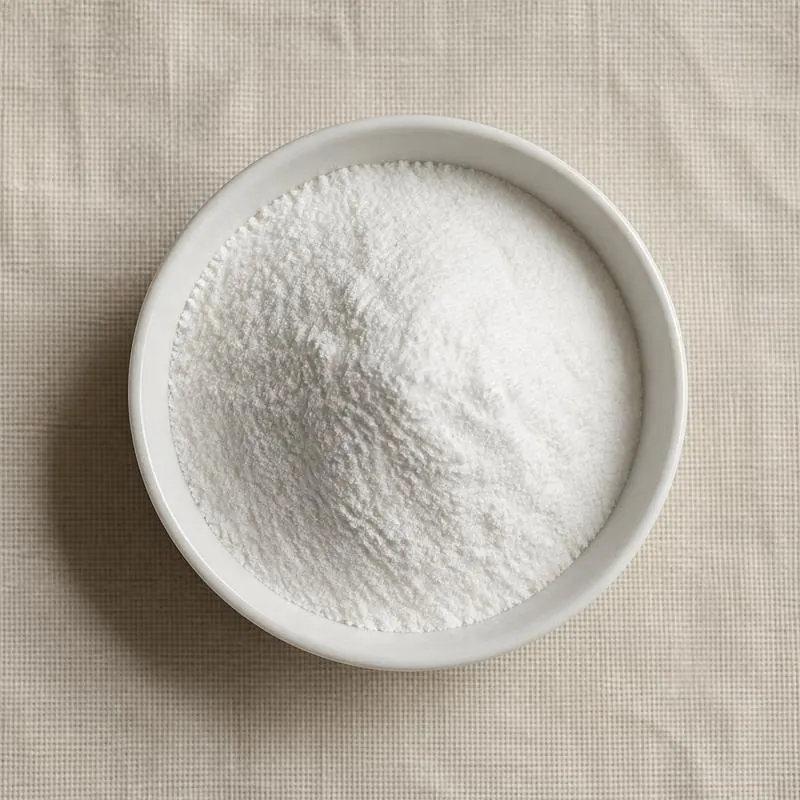
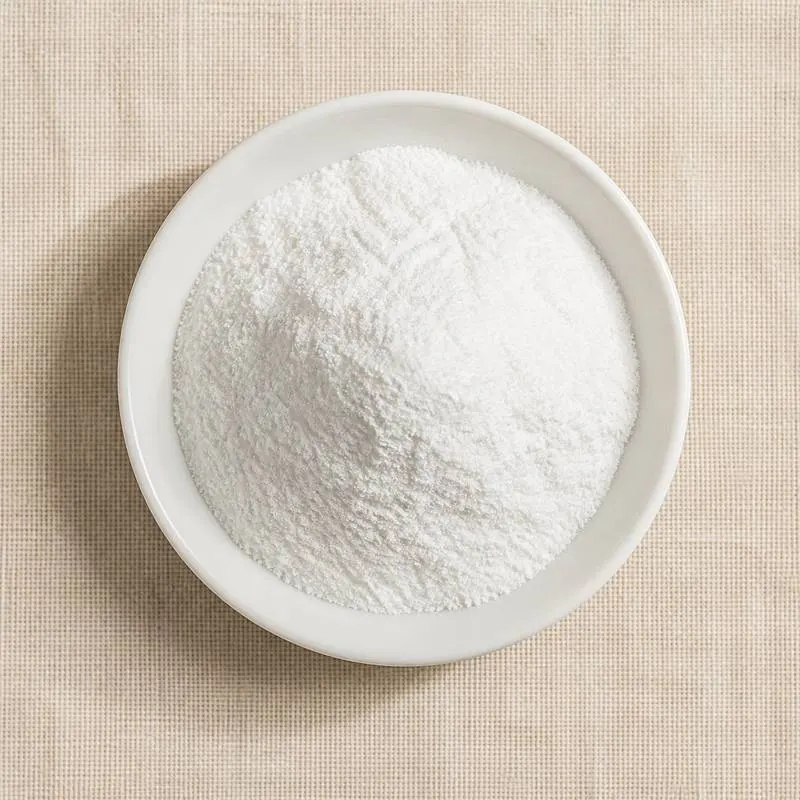
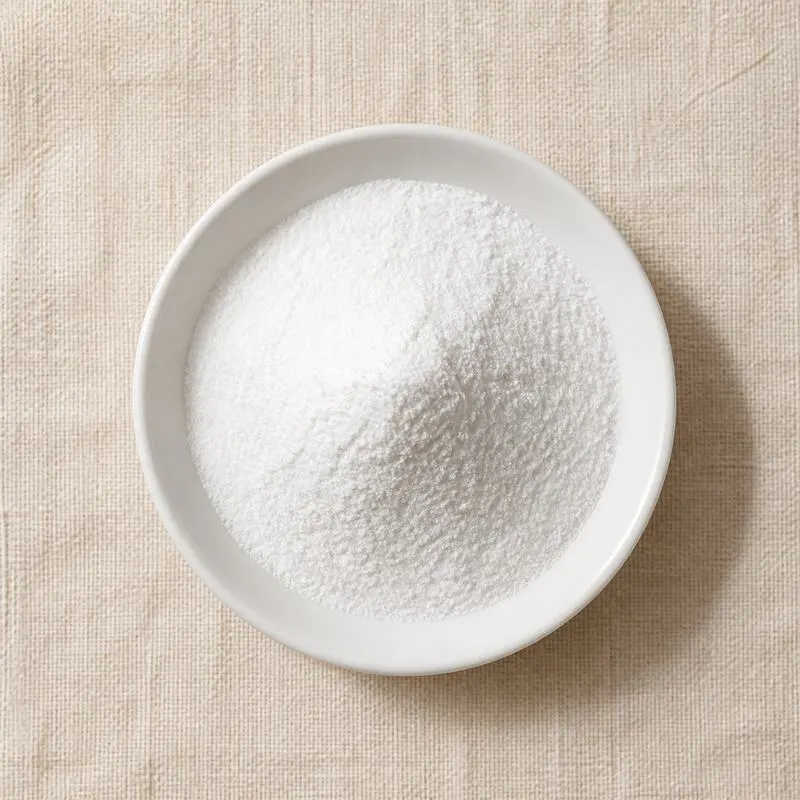
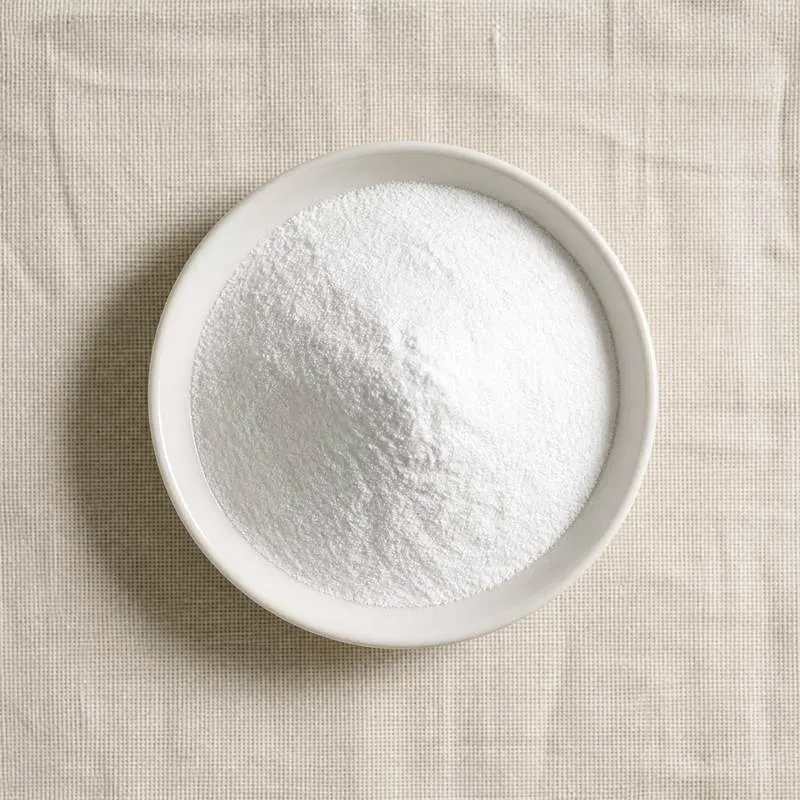
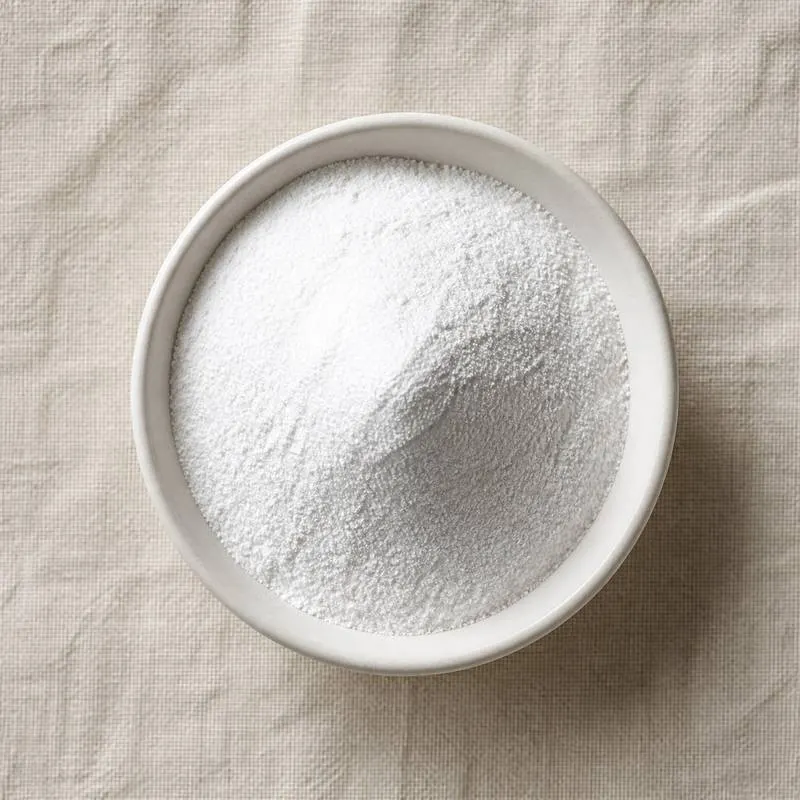
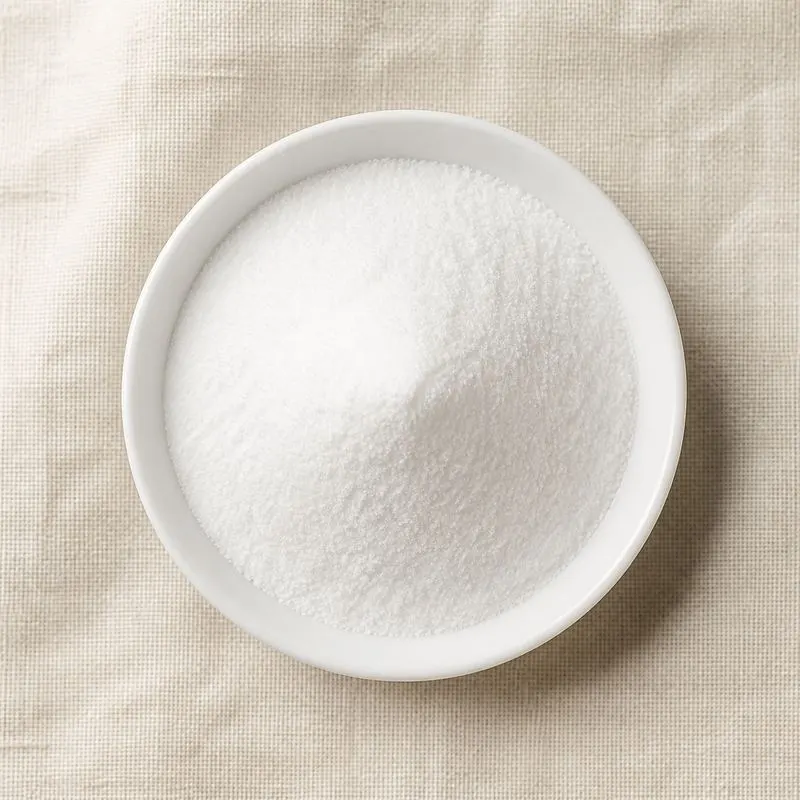
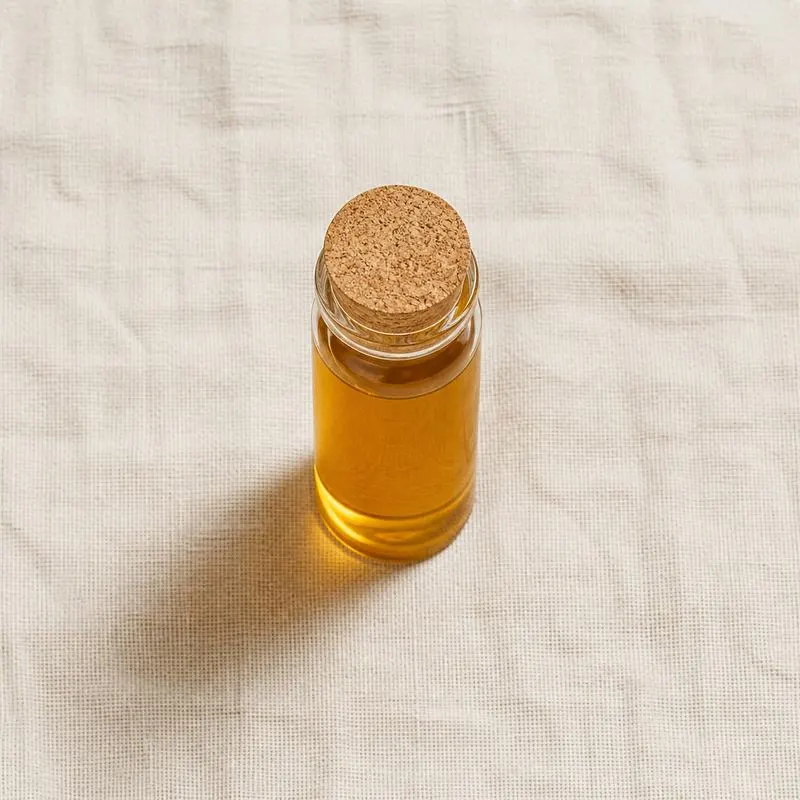
Preparations reach the buyer as free-flowing powders ranging from off-white to dark green-brown, as oil dispersions, and as water-dispersible emulsions. The raw extract carries a pronounced pine and camphor aroma from the volatile oil, so deodorised and decolourised grades are produced for pale or delicately flavoured products, while unrefined grades remain acceptable in meat, pet food and strongly seasoned applications.
We source bulk Rosemary Extract Antioxidants from top China manufacturers for our partners. The manufacturer is in Hainan. A smaller requirement can ship in a combined container with other ingredients.
Please send the grade you need, the volume and your destination port, and we will come back with a solution and a price.
or call +86-21-6858 0751
- Function
- Antioxidant
Specifications
| Item | Specification |
|---|---|
| Appearance | Off-white to dark green-brown powder or oil dispersion |
| Odour | Slight herbal, near neutral in deodorised grades |
| Carnosic acid by HPLC | Conforms to declared grade, 5% to 60% |
| Carnosic acid plus carnosol | Reported on each lot certificate |
| Rosmarinic acid | Reported where the grade is standardised on it |
| Identification | HPLC profile matches reference standard |
| Loss on drying | 5.0% max for powder grades |
| Sulphated ash | 5.0% max |
| Residual solvent, ethanol | 5000 mg/kg max |
| Heavy metals as Pb | 10 mg/kg max |
| Lead | 2 mg/kg max |
| Arsenic | 1 mg/kg max |
| Total plate count | 1000 cfu/g max |
| Yeast and mould | 100 cfu/g max |
| E. coli and Salmonella | Absent in 25 g |
Common Markets Grades
Grades are declared against the antioxidant marker rather than against a total extract percentage. Oil-soluble powders are commonly standardised to 5, 10, 25 or 40 percent carnosic acid, with concentrates above 60 percent used at very low dosage. Water-soluble grades are declared on rosmarinic acid, typically 5 to 30 percent. The degree of deodorisation and decolourisation is stated alongside the assay, because that is what determines whether the extract can be used in a light-coloured or mildly flavoured product.
Physical form follows the application. Neat powders are used in dry blends and fat premixes, dispersions in sunflower or medium chain triglyceride oil suit continuous dosing into oil lines, emulsions with polysorbate or lecithin allow addition to brines and beverages, and spray-dried powders on maltodextrin or silicon dioxide carriers give free flow for seasoning blends. Many commercial products are compounded, pairing rosemary extract with tocopherols, ascorbyl palmitate or citric acid so that radical scavenging, oxygen quenching and metal chelation are covered in one addition.
Applications
- Frying oils and shortenings, slowing peroxide, polar compound and free fatty acid development during heating
- Fresh and processed meat, delaying warmed-over flavour and the browning of oxidised pigment
- Sausage, burger and marinated poultry, dosed through brine or seasoning
- Fish, fish oil and omega-3 concentrates, where the highly unsaturated chains oxidise fastest
- Snack foods and fried extruded products, applied in the seasoning oil
- Bakery fats, fillings, creams and laminated doughs
- Mayonnaise, dressings and emulsified sauces
- Pet food, rendered fats and fishmeal, protecting both the fat and the fat-soluble vitamins in the mix
- Encapsulated flavour and citrus oils, protecting terpenes during storage
- Nuts, nut pastes and roasted seed products
Brands Using Rosemary Extract Antioxidants
Widely-distributed consumer products that list Rosemary Extract Antioxidants on the ingredient label.
Brand names, product names and logos are the property of their owners. They appear here as published evidence that the ingredient is used, taken from the brand's own label or website. Their appearance is not an endorsement, and it does not mean the brand buys from us or from any manufacturer listed on this site.
China Manufacturers of Rosemary Extract Antioxidants
Top Rosemary Extract Antioxidants manufacturers in China.
Company names and logos are the property of the manufacturers themselves. They are listed here because our own directory records them as producing this ingredient. A listing is not an endorsement by them, and we do not represent them or speak on their behalf.
Regulatory Status
In the European Union Regulation (EC) No 1333/2008 authorises extracts of rosemary as the antioxidant E 392. The purity specification describes several defined manufacturing routes, sets the permitted extraction solvents and defines the additive by its combined carnosic acid and carnosol content, and use levels are set by food category and expressed against the fat content of the food. Products carrying the additive declare it as an antioxidant with the name or E number.
In the United States rosemary preparations reach food both as spice extractives, where their function is flavouring, and as antioxidant preparations supported by independent generally recognised as safe determinations covering the specific extract and its intended use levels. The labelling consequence differs: material added as a spice extractive is declared as rosemary extract or flavouring, while material added for a technical antioxidant purpose is declared as an antioxidant. JECFA has evaluated rosemary extract, and the Codex General Standard for Food Additives lists it as INS 392.
Manufacturing Process
Dried rosemary leaf is cleaned, destemmed and milled to open the leaf tissue, then extracted with a food-grade solvent. Ethanol, acetone and ethyl acetate are used for the diterpene fraction, water or aqueous ethanol for the rosmarinic acid fraction, and supercritical carbon dioxide where a solvent-free claim is required. Carbon dioxide extraction is usually staged, with a low pressure pass that removes the volatile oil ahead of the pass that recovers the antioxidant fraction.
The crude extract is concentrated under vacuum with solvent recovery, then refined. Activated carbon or adsorbent resin removes chlorophyll and waxes, steam stripping or thin film distillation removes residual aroma, and further enrichment is done by crystallisation or by chromatography on adsorbent resin. The refined concentrate is standardised to the declared marker level, then either spray dried onto a carrier, vacuum dried and milled, or blended into oil or an emulsifier system to produce the liquid forms. Finished lots are sieved, blended and assayed before packing under nitrogen.