Sodium Gluconate
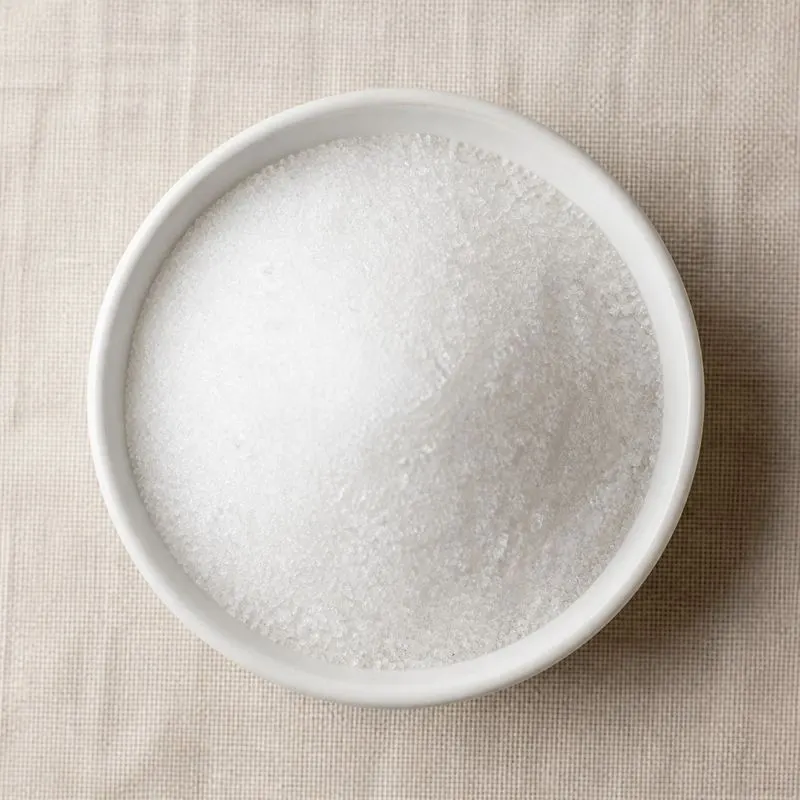
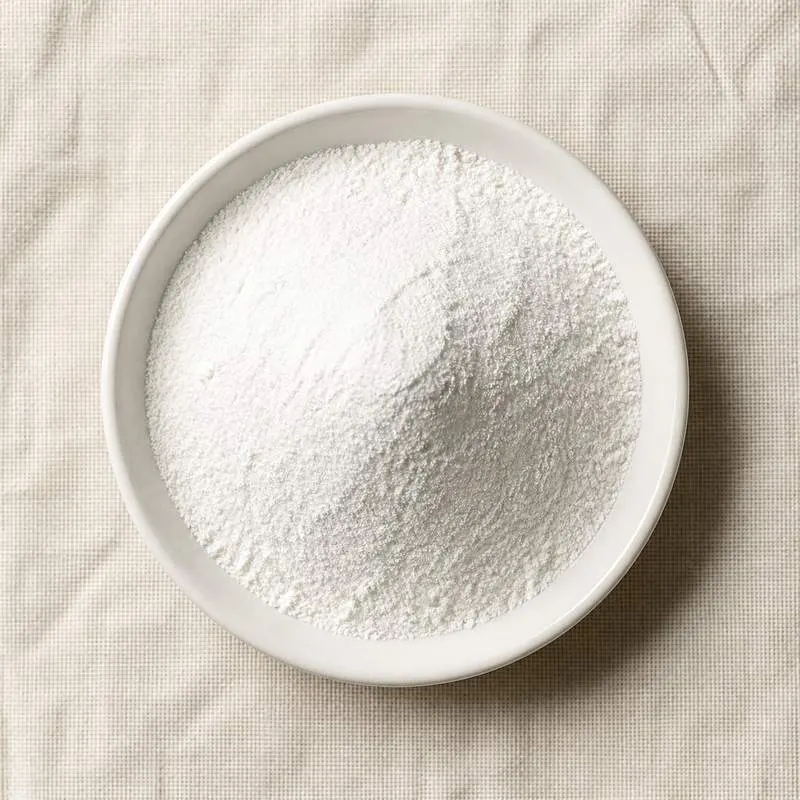
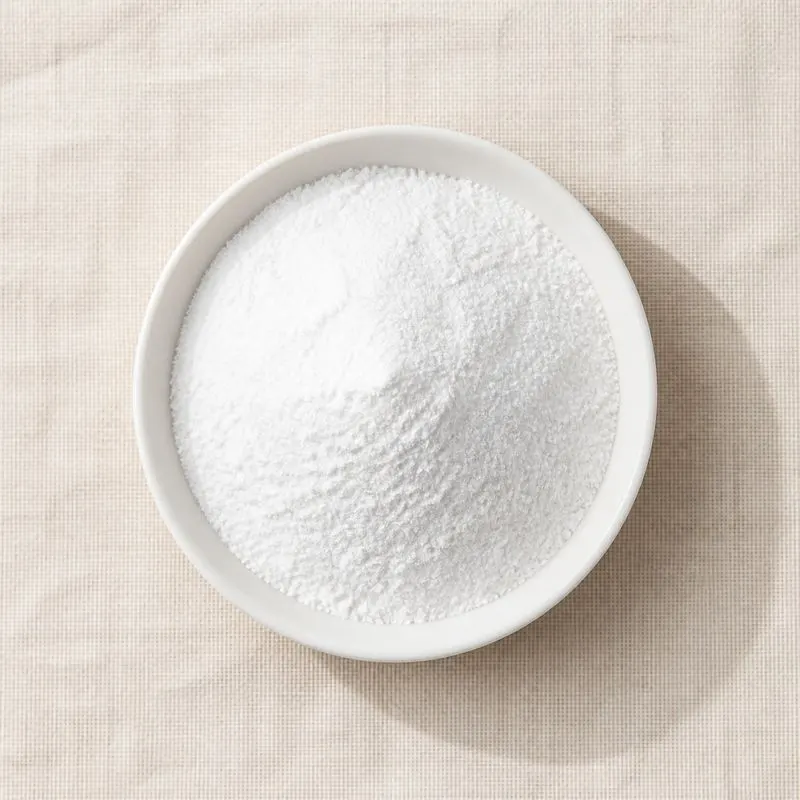
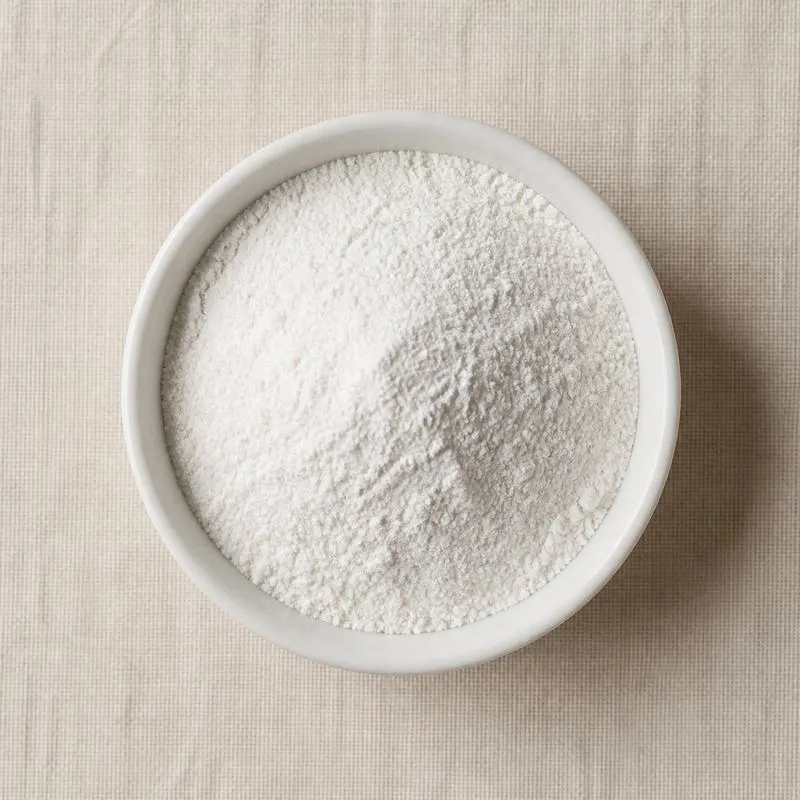
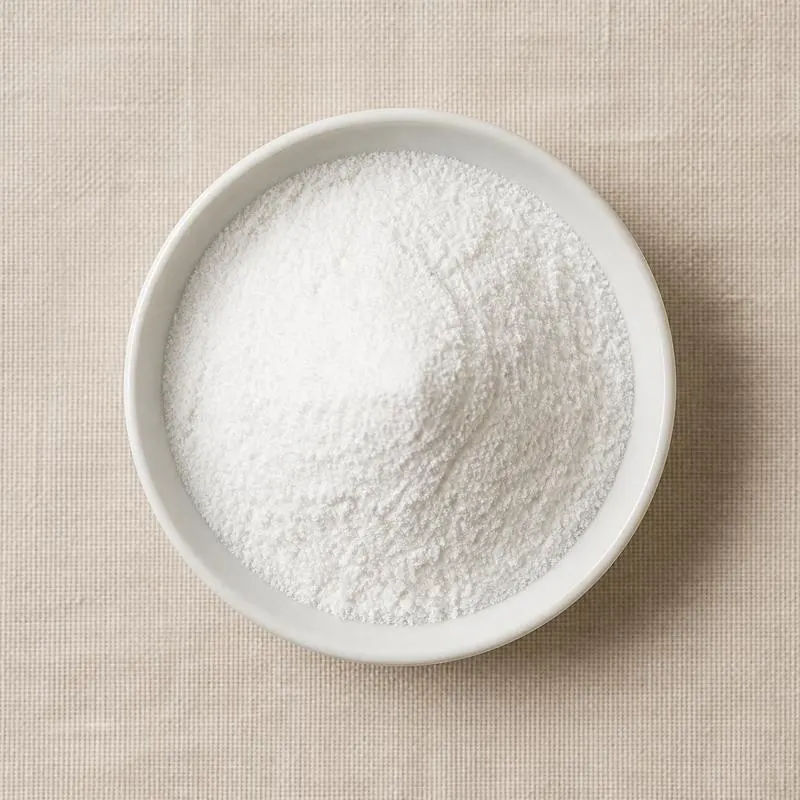
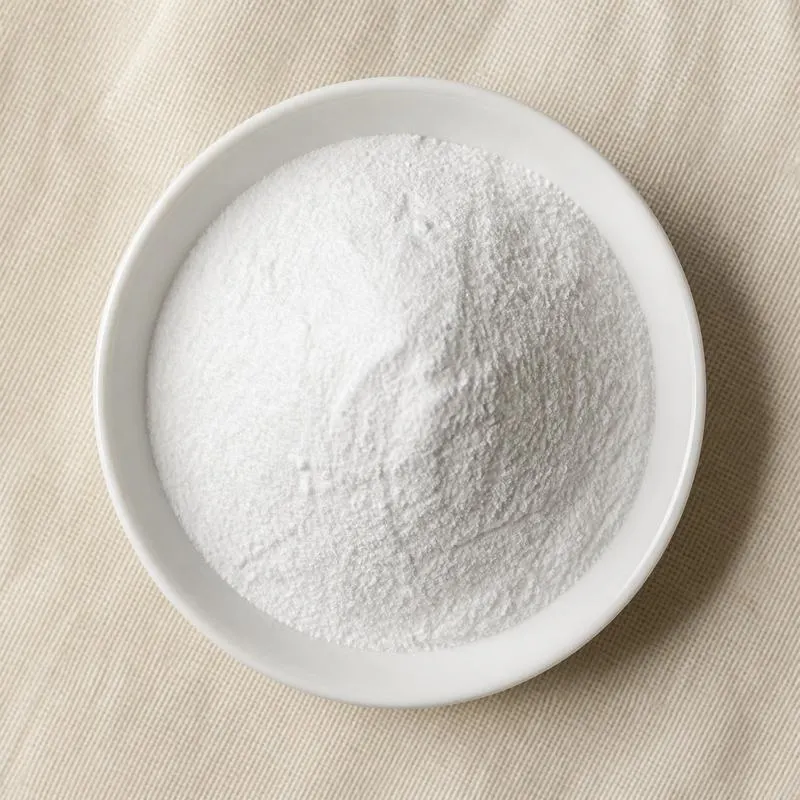
Sodium Gluconate is the sodium salt of gluconic acid, with the formula C₆H₁₁NaO₇ and CAS number 527-07-1. It is a white to slightly yellowish, free-flowing, granular crystalline powder, fully soluble in water and only slightly soluble in alcohol.
The molecule is a strong, biodegradable chelator of polyvalent metal cations, particularly calcium, iron, copper, and aluminium, even in strongly alkaline media. That chelation behaviour, combined with low toxicity and full biodegradability, is the basis of its three largest end uses: industrial cleaning and descaling, concrete admixture, and food and beverage sequestrant.
We source bulk Sodium Gluconate from top China manufacturers for our partners, working with several of them. The manufacturers are in Shandong and Zhejiang. A smaller requirement can ship in a combined container with other ingredients.
Please send the grade you need, the volume and your destination port, and we will come back with a solution and a price.
or call +86-21-6858 0751
- Packaging
- 25 kg kraft paper bag with PE inner liner
- ISO 9001
- HACCP
- Halal
- Kosher
Specifications
| Item | Specification |
|---|---|
| Appearance | White to yellowish granular crystalline powder |
| Assay (dry basis) | 98.0% to 102.0% |
| Loss on drying | ≤ 1.0% |
| pH (10% solution) | 6.5 to 7.5 |
| Reducing substances | ≤ 0.5% |
| Chloride | ≤ 500 mg/kg |
| Sulphate | ≤ 500 mg/kg |
| Heavy metals (as Pb) | ≤ 10 mg/kg |
| Arsenic | ≤ 3 mg/kg |
Common Markets Grades
The merchant market is dominated by two grades, separated by purity and end use.
Industrial grade, with assay of 96 to 99 percent, is the volume product. It serves the cement, bottle-cleaning, metal-treatment, and textile industries, with specifications focused on assay, reducing sugars, and colour rather than heavy-metal limits.
Food grade meets the Food Chemicals Codex specification, with assay of 98 percent or higher and tight limits on lead, arsenic, and reducing substances. It is used in beverages, dairy products, and processed foods as a sequestrant and acidity regulator.
Pharmaceutical grade meets the USP and Ph. Eur. monographs for sodium gluconate, with controlled microbiology and heavy-metal limits. It is used as a source of bioavailable sodium and as a buffer in oral and injectable formulations.
Particle-size grades range from fine powder for instant dissolution to coarse granular for dust-free handling in cement plants and bottle-wash systems.
Applications
- Concrete admixture as a strong set retarder and water reducer, allowing long transport times for ready-mix concrete in hot weather
- Alkaline bottle washing in breweries and dairies, where it chelates calcium and prevents scale on returnable glass
- Metal-surface cleaning and pickling for steel, aluminium, and copper, dissolving rust and oxide layers without aggressive acids
- Industrial cleaning formulations including caustic degreasers and aluminium-safe alkaline cleaners
- Boiler and cooling-water treatment to prevent calcium carbonate and calcium sulphate scale
- Textile dye-bath sequestrant, binding metal impurities that would otherwise spot the fabric
- Food and beverage sequestrant, holding trace metals that catalyse oxidation and off-flavour development
- Cured-meat curing accelerator, where it complements ascorbate in nitrite reduction
- Pharmaceutical sodium supplement and buffer in oral and injectable products
- Plating-bath additive, refining grain structure in electroplated zinc, tin, and copper deposits
- Dishwashing and laundry detergents as a biodegradable builder
Brands Using Sodium Gluconate
Widely-distributed consumer products that list Sodium Gluconate on the ingredient label.
- Colgate-Palmolive (Tom's of Maine)Tom's of Maine Natural Deodorant / Personal Care line ↗Tom's of Maine official ingredient glossary page documents Sodium Gluconate as a chelating/preservation-aid ingredient sourced from corn fermentation for use in their personal care products.Label verified 2026-05-24
- PuracyPuracy Natural Laundry Detergent ↗Puracy official ingredients page lists Sodium Gluconate as a water-softening/chelating agent in their laundry detergent formulations (Concentrated Sulfate Free and Baby).Label verified 2026-05-24
Brand names, product names and logos are the property of their owners. They appear here as published evidence that the ingredient is used, taken from the brand's own label or website. Their appearance is not an endorsement, and it does not mean the brand buys from us or from any manufacturer listed on this site.
China Manufacturers of Sodium Gluconate
Top Sodium Gluconate manufacturers in China.
 Shadnong Fuyang Bio-tech.Co., Ltd.7 ingredients in the directory
- Shandong Fuyang Biotechonlogy Co., Ltd.6 ingredients in the directory
- Yuanfa Biotechnology Co., Ltd.4 ingredients in the directory
 Zhejiang Tianyi Food Additives Co., Ltd.10 ingredients in the directory
Company names and logos are the property of the manufacturers themselves. They are listed here because our own directory records them as producing this ingredient. A listing is not an endorsement by them, and we do not represent them or speak on their behalf.
How We Help Source Sodium Gluconate
Direct Factory Sourcing
We run the whole process: selecting the manufacturer from the top Chinese food ingredient producers, negotiating the price, verifying quality, and coordinating the logistics. You deal with us instead of with several factories at once.
Original Packaging and Documents from the Manufacturer
The manufacturer sends your Sodium Gluconate out of its own factory in the original packing, through to your destination port. The COA, COO, MSDS, TDS and any certifications reach you from the manufacturer as well.
Free Samples and Lead Time
We send 100 to 500 g free for your own laboratory to test and you cover only the courier, usually within 2 to 3 working days. ETD is usually within 7 to 15 days once the order is confirmed, and we check that date against the factory's own manufacturing schedule before we give it to you.
Combined Shipment
We can load Sodium Gluconate together with other ingredients such as Sodium Acetate, Calcium Citrate and Sodium Lactate into one 20' FCL. If your quantity is small, we can also ship LCL.
Regulatory Status
Sodium gluconate is broadly cleared as a food, pharmaceutical, and industrial ingredient.
The European Union assigns it the food-additive number E576. EFSA has reviewed the gluconates and concluded that current use levels are not of safety concern, with no numerical intake limit set. The U.S. Food and Drug Administration lists sodium gluconate as Generally Recognized as Safe under 21 CFR 184.1768a as a sequestrant and dietary supplement.
JECFA places the gluconates in the not-specified category, reflecting the body's normal handling of gluconate, which is metabolized through the pentose phosphate pathway.
Pharmacopoeial monographs for sodium gluconate appear in the United States Pharmacopeia and the European Pharmacopoeia. The Food Chemicals Codex specifies sodium gluconate with assay of 98 to 102 percent on the dry basis.
For concrete and industrial use, sodium gluconate appears on the ASTM C494 and EN 934-2 lists of acceptable concrete admixtures. It is also approved by NSF and similar bodies for use in cleaning chemicals contacting food-processing equipment. Halal and Kosher certifications are routinely available, since the production uses corn or cassava starch glucose and microbial fermentation.
Manufacturing Process
Sodium gluconate is produced by oxidation of glucose followed by neutralisation.
The dominant industrial route is aerobic fermentation of high-dextrose glucose syrup using the mould Aspergillus niger, which secretes the enzyme glucose oxidase. The reaction converts glucose plus oxygen plus water into gluconic acid plus hydrogen peroxide, with the peroxide decomposed in situ by a catalase enzyme also produced by the organism.
The fermentation is run at 30 to 35 °C in stirred aerated reactors, with sodium hydroxide metered in continuously to neutralise the gluconic acid as it forms, keeping the broth pH near 6 to 6.5. This in-situ neutralisation gives sodium gluconate directly, without an intermediate free-acid isolation step.
After fermentation, the biomass is removed by filtration, the broth is decolorised with activated carbon and polished by ion exchange, and the clarified solution is concentrated by vacuum evaporation. Cooling crystallisation gives white granular sodium gluconate, which is centrifuged, dried, and packaged.
An older catalytic oxidation route using glucose, oxygen, and a palladium or platinum catalyst is still used in some plants but has largely been displaced by fermentation on cost and selectivity grounds.
China holds the majority of global capacity, with additional plants in Western Europe and the United States. Annual global production exceeds 700,000 tonnes.