Enzymolysis Rice
Enzymolysis rice is a hydrolysate made from milled white rice, in which the starch of the endosperm is converted by food grade amylases into soluble maltodextrins, maltose and glucose, and the small rice protein fraction is left intact or separately digested by protease.
Because the bran and germ have been removed before processing, the starting material is close to pure starch with around seven percent protein, so the resulting hydrolysate is a clean, pale, mild tasting carbohydrate rather than a cereal flavoured one. That neutrality is its commercial point: it delivers rice derived carbohydrate and a natural sweetness without the colour, lipid or cereal note that whole grain hydrolysates carry, and it is free of gluten, dairy and soy, which places it in hypoallergenic formulation.
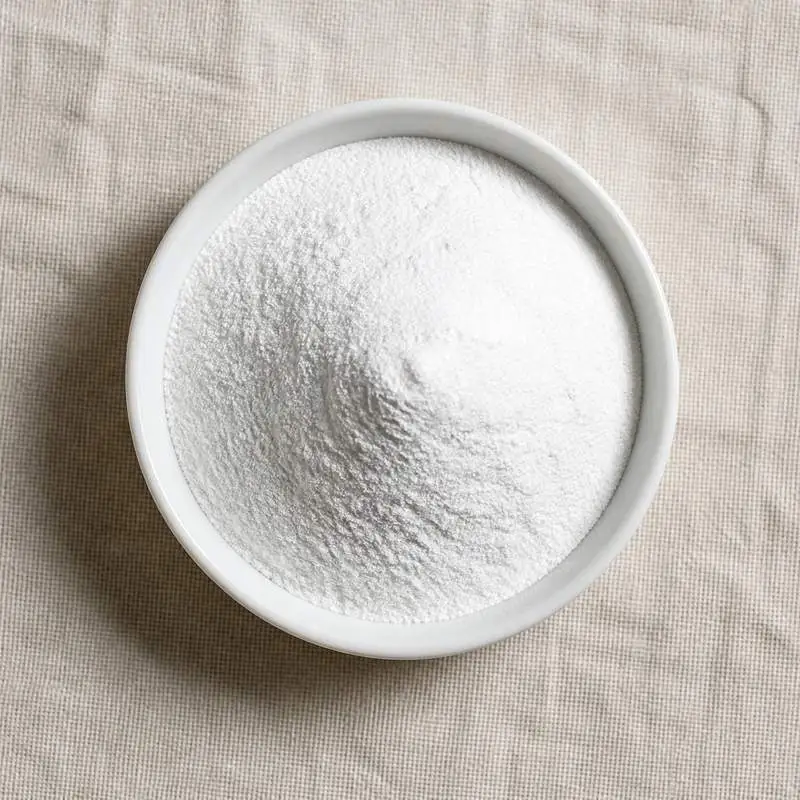
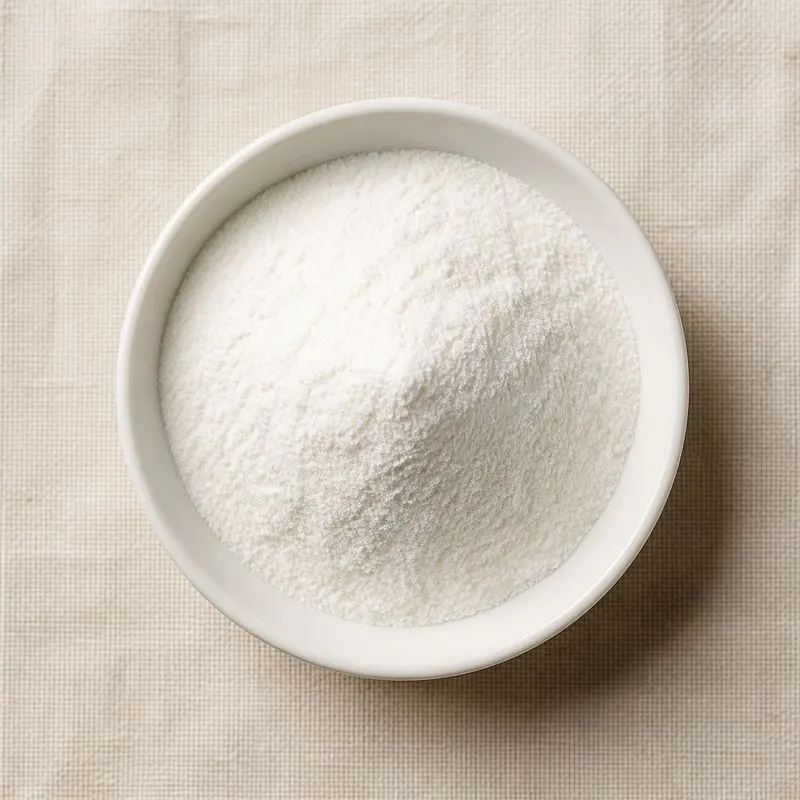
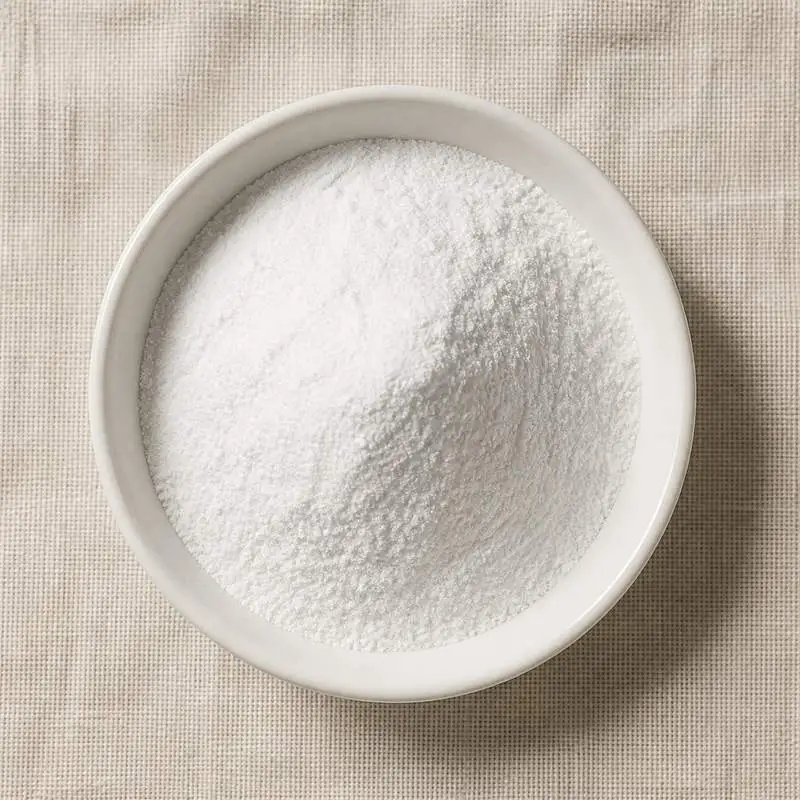
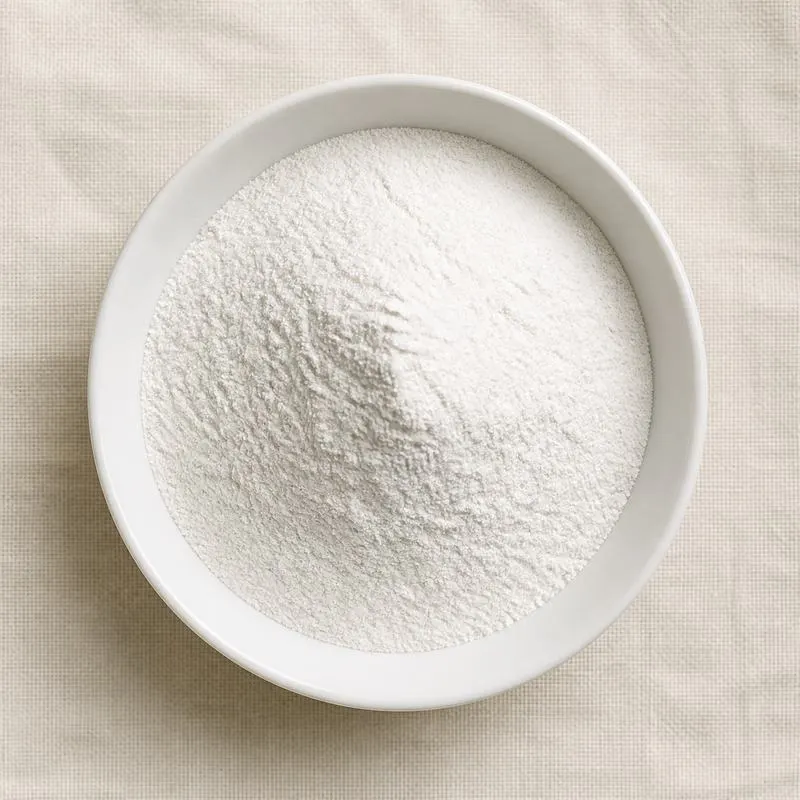
Two forms reach the buyer: a syrup at a declared solids level and dextrose equivalent, and a spray dried powder, white to pale cream, that dissolves fully and quickly in water. Sweetness, viscosity and hygroscopicity all track the dextrose equivalent: a low conversion product is barely sweet and builds body, while a high conversion syrup is sweet, thin and browns readily in baking. The powder is hygroscopic and is packed with a moisture barrier.
We source bulk Enzymolysis Rice from top China manufacturers for our partners. The manufacturer is in Jiangxi. A smaller requirement can ship in a combined container with other ingredients.
Please send the grade you need, the volume and your destination port, and we will come back with a solution and a price.
or call +86-21-6858 0751
- Function
- Nutraceutical
Specifications
| Item | Specification |
|---|---|
| Appearance | White to pale cream free flowing powder |
| Solubility | Complete in water at 25 C |
| Total Solids | Not less than 95.0% |
| Dextrose Equivalent | 17 to 20 |
| Moisture | Not more than 5.0% |
| Total Ash | Not more than 0.5% |
| Crude Protein | Not more than 1.0% |
| pH, 10% solution | 4.5 to 6.5 |
| Sulphur Dioxide | Not more than 10 mg/kg |
| Inorganic Arsenic | Not more than 0.1 mg/kg |
| Lead | Not more than 0.2 mg/kg |
| Total Plate Count | Not more than 1,000 CFU/g |
| Yeast and Mould | Not more than 100 CFU/g |
| Salmonella | Absent in 25 g |
Common Markets Grades
The trade is organised by dextrose equivalent. Low conversion grades below about 20 are sold as rice maltodextrin, used as carriers, bulking agents and fat replacers with little sweetness. Mid range syrups around 40 to 50 are the general purpose rice syrups. High maltose grades, made with a maltogenic amylase to build maltose rather than glucose, are traded separately because they resist crystallisation and brown less, which matters in confectionery. Both syrup and spray dried powder forms are offered at each conversion level.
Beyond conversion, the variables are protein and purity. A hydrolysed rice protein grade, produced by digesting the protein fraction with protease, is specified on peptide content and molecular weight distribution rather than on dextrose equivalent, and is used in hypoallergenic and infant nutrition. Clarified and decolourised grades processed over carbon and ion exchange are made where water white colour is required, and organic certified lots are handled as a separate stream. As with any rice ingredient, low inorganic arsenic material is specified where the destination is infant food.
Applications
- Infant formula and follow-on formula, as a hypoallergenic carbohydrate source in place of lactose or corn syrup solids
- Hypoallergenic and free-from foods, where rice replaces wheat, dairy and soy derived carriers
- Sports drinks, gels and recovery powders, using the maltodextrin fraction as a rapid carbohydrate
- Confectionery and cereal bars, where high maltose syrup binds without crystallising
- Clean label sweetening in bakery, cereals and snacks as an alternative to refined sugar syrups
- Spray drying carrier and encapsulation matrix for flavours, oils and botanical extracts
- Rice milk and plant beverage manufacture, where enzymatic conversion generates the sweetness in the drink itself
- Clinical and enteral nutrition, where a low osmolality carbohydrate is needed
- Fermentation feedstock for brewing, vinegar and rice wine production
China Manufacturers of Enzymolysis Rice
Top Enzymolysis Rice manufacturers in China.

Company names and logos are the property of the manufacturers themselves. They are listed here because our own directory records them as producing this ingredient. A listing is not an endorsement by them, and we do not represent them or speak on their behalf.
Regulatory Status
In the United States, rice syrup, rice maltodextrin and rice protein hydrolysate are conventional food ingredients regulated under the Food Safety Modernization Act preventive controls. The amylases and proteases used are processing aids that must come from approved or generally recognised as safe enzyme sources and are inactivated before the product is finished. Inorganic arsenic is the contaminant that matters for any rice derived ingredient, since the plant takes it up from paddy soil and water, and FDA has set an action level for inorganic arsenic in infant rice cereal that applies to material intended for that category. Rice is not one of the major allergens requiring declaration, and a gluten free claim must meet the FDA gluten free labelling rule.
In the European Union, rice hydrolysates are food ingredients placed on the market under general food law rather than under an additive authorisation, so they carry no E number, while the enzymes used fall under the food enzymes regulation and its Union list procedure. Maximum levels for inorganic arsenic in rice and rice based products are set in the contaminants regulation, with a stricter figure for foods intended for infants and young children, and cadmium limits for rice also apply. Where the hydrolysate is used in infant formula, the specific compositional rules for food for infants and young children govern which carbohydrate sources are permitted. Codex maintains a standard for rice and addresses inorganic arsenic through its general standard for contaminants.
Manufacturing Process
Milled rice or broken rice, a by-product of the milling line and the usual feedstock, is cleaned, destoned and milled to a flour, then slurried with water to a controlled solids level and the pH adjusted into the working range for the enzyme system. The slurry is jet cooked or heated in a continuous cooker with a thermostable alpha-amylase, which gelatinises the starch granules and cuts the chains enough to collapse the viscosity so the mash becomes pumpable.
The liquefied mash is then cooled to the saccharification temperature and dosed with the enzyme that sets the product: glucoamylase where glucose is wanted, a maltogenic or fungal alpha-amylase where a high maltose profile is the target, and pullulanase alongside them to cut the branch points that would otherwise limit conversion. Saccharification is held until the dextrose equivalent reaches the specification, then stopped by heating or by a pH shift. Where a protein hydrolysate is being made, a protease stage follows on the separated protein fraction. The mash is separated on a decanter centrifuge or filter press to remove insoluble residue, and the liquor is clarified, decolourised on activated carbon and demineralised over cation and anion exchange resin, which strips salts, colour and residual amino acids to give a clean syrup. It is then concentrated by multi effect vacuum evaporation and either filled as syrup or spray dried into powder, cooled, sieved, blended and packed.