Fungal Alpha Amylase
Fungal alpha-amylase is an endo-acting starch hydrolase produced by Aspergillus oryzae and related fungal strains, which cleaves internal alpha-1,4 glycosidic bonds in amylose and amylopectin to give maltose and short dextrins. It differs from the bacterial amylases chiefly in its low thermal ceiling, losing activity above roughly 60 to 65 degrees Celsius, and in producing a high proportion of maltose rather than a broad dextrin spectrum.
That low thermal ceiling is the reason it dominates baking. The enzyme works through mixing, proofing and the early part of the bake, supplying fermentable maltose to the yeast at a controlled rate, then denatures as the loaf centre passes 60 degrees Celsius, well before the starch has fully gelatinised. The result is more gas production and better volume without the gummy crumb that a surviving thermostable amylase produces.
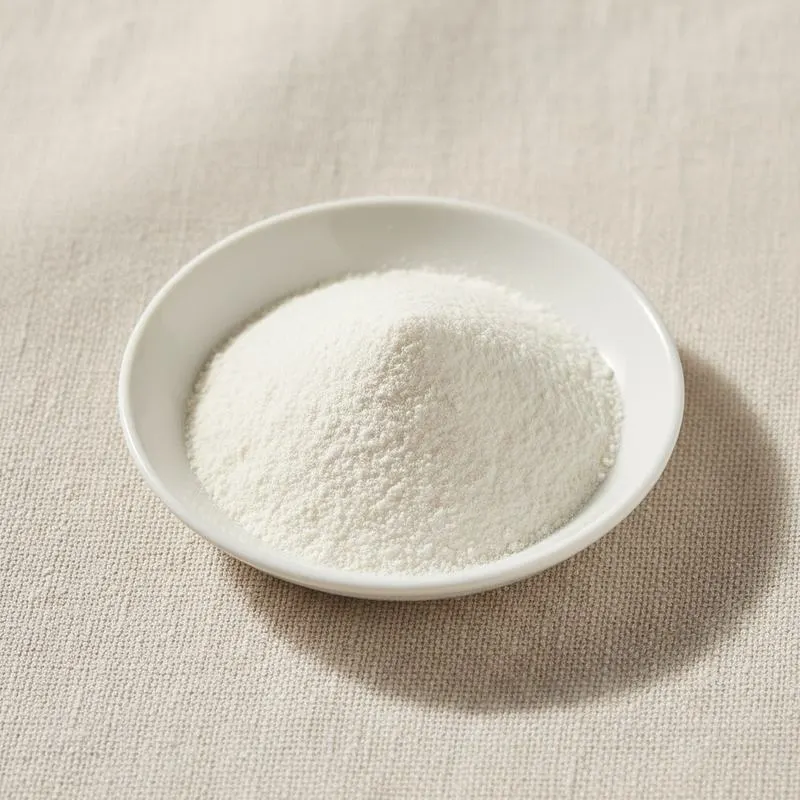
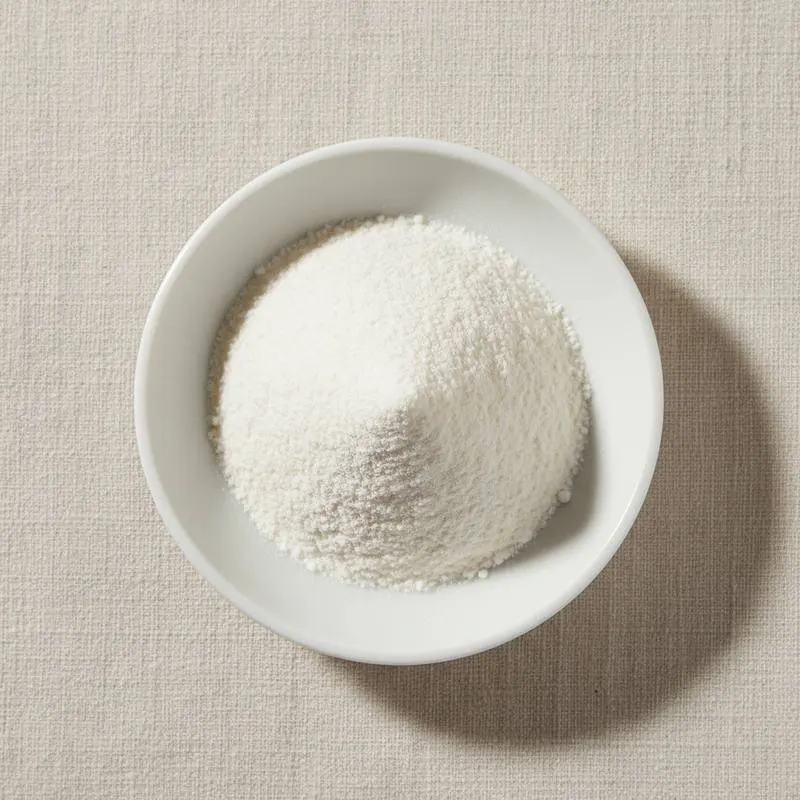
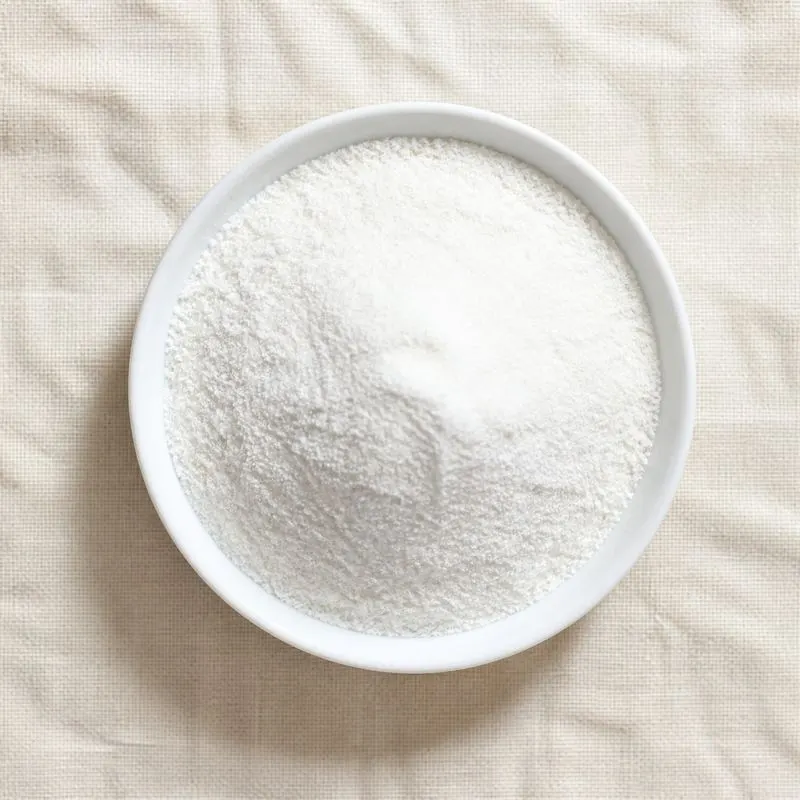
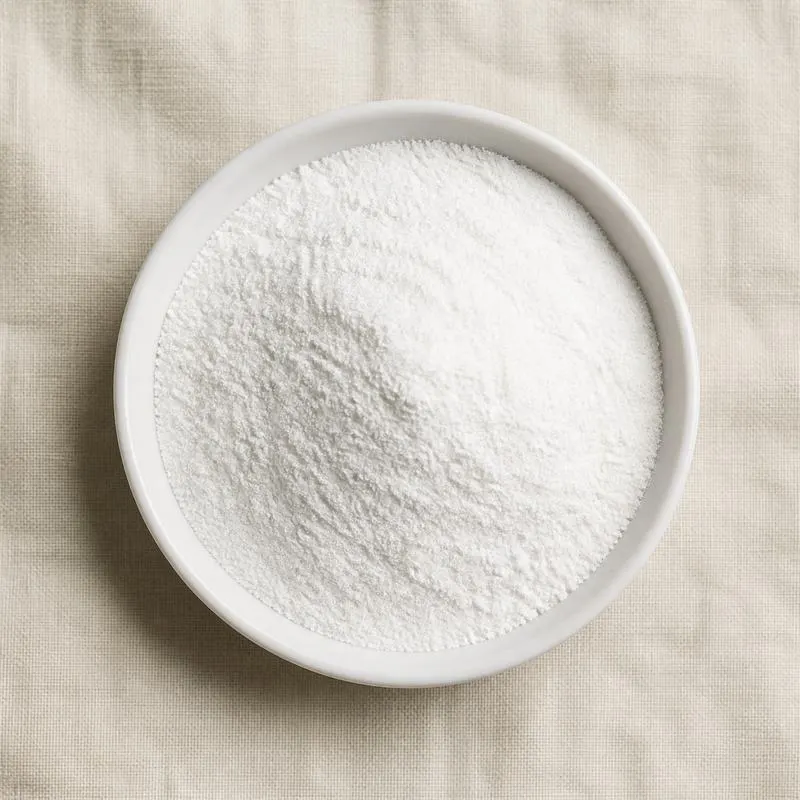
The commercial product is a cream to pale tan powder standardised on wheat starch, maltodextrin or salt, and is also sold as granulate and as liquid concentrate. It works best between pH 4.5 and pH 5.5, is fully water soluble, and is hygroscopic, so it is packed in lined sacks and kept cool and dry. Activity is declared in the producer's own fungal amylase units against a stated assay.
We source bulk Fungal Alpha Amylase from top China manufacturers for our partners. The manufacturer is in Shandong. A smaller requirement can ship in a combined container with other ingredients.
Please send the grade you need, the volume and your destination port, and we will come back with a solution and a price.
or call +86-21-6858 0751
- Function
- Enzyme
Specifications
| Item | Specification |
|---|---|
| Appearance | Cream to pale tan free-flowing powder |
| Declared Activity | 10,000 SKB units/g minimum or as label claim |
| Identification | Starch-hydrolysing activity confirmed by iodine method |
| Optimum pH | 4.5 to 5.5 |
| Loss on Drying | ≤ 8.0% |
| Residue on Ignition | ≤ 10.0% |
| Heavy Metals (as Pb) | ≤ 30 mg/kg |
| Lead | ≤ 5 mg/kg |
| Arsenic | ≤ 3 mg/kg |
| Aflatoxin B1 | Not detected at method limit |
| Total Plate Count | ≤ 50,000 cfu/g |
| Yeast and Mould | ≤ 100 cfu/g |
| E. coli | Absent in 25 g |
| Salmonella | Absent in 25 g |
Common Markets Grades
The main distinction is concentration. Bakery grades are heavily diluted with wheat starch or maltodextrin so that a mill or premix plant can dose accurately at a few grams per hundred kilograms of flour, while concentrated grades for syrup plants carry many times that activity per gram. Declared unit systems differ between producers, so specifications state the substrate, pH and temperature of the assay.
Physical grades cover spray dried powder, low-dust granulate for open dosing rooms, and liquid concentrate for continuous dosing in maltose syrup plants. Blended bakery products combine the amylase with xylanase, lipase, glucose oxidase or ascorbic acid and are traded as improver bases rather than as a single enzyme. Gluten-free and allergen-declared variants use a starch carrier other than wheat.
Applications
- Bread and bun production, supplementing the low natural amylase of modern flour to supply fermentable maltose and raise loaf volume
- Flour standardisation at the mill, where amylase is dosed to bring a blend to a target falling number
- Bakery improver and premix bases, combined with xylanase and ascorbic acid for dough handling and crumb structure
- Steamed bread and buns, giving finer crumb structure and improved surface appearance
- Maltose and high-maltose syrup manufacture, controlling the maltose to glucose ratio in the saccharification step
- Biscuit and cracker dough, adjusting spread and colour through controlled sugar release
- Brewing, supplementing mash enzyme activity in worts made with a high proportion of unmalted adjunct
- Digestive enzyme supplements, supplying the starch-degrading activity in a multi-enzyme blend
- Cereal and infant food processing, thinning porridge slurries so that a higher solids content can be dried
China Manufacturers of Fungal Alpha Amylase
Top Fungal Alpha Amylase manufacturers in China.
Company names and logos are the property of the manufacturers themselves. They are listed here because our own directory records them as producing this ingredient. A listing is not an endorsement by them, and we do not represent them or speak on their behalf.
Regulatory Status
In the United States carbohydrase preparations from Aspergillus oryzae have long-standing generally recognised as safe status for use in food processing, supported by affirmed regulations and by GRAS notices filed with the Food and Drug Administration for specific enzyme and strain combinations. Because the enzyme is inactivated during baking and performs no function in the finished loaf, it is handled as a processing aid and is generally not declared in the ingredient statement of the bread.
In the European Union fungal alpha-amylase is a food enzyme under Regulation (EC) No 1332/2008, with dossiers assessed by the European Food Safety Authority ahead of entry onto the Union list, and no E number applies. Aspergillus oryzae is a well characterised production organism with a long record of use, and certificates confirm the absence of the mycotoxins associated with related Aspergillus species. The Joint FAO/WHO Expert Committee on Food Additives has evaluated alpha-amylase from Aspergillus oryzae and publishes identity and purity specifications alongside its general specifications for enzyme preparations used in food processing.
Manufacturing Process
Aspergillus oryzae is grown either by solid state fermentation on steamed wheat bran, the traditional koji route still used in Asia, or by submerged aerated fermentation in stirred vessels, which dominates large-scale production. A working cell bank is taken through seed stages into the production vessel charged with a starch or dextrin carbon source, an organic nitrogen source such as soy meal or corn steep liquor, and mineral salts, and the culture is held under controlled temperature, pH and aeration for two to four days while the fungus secretes amylase.
Solid cultures are extracted into water and pressed; submerged broths are flocculated and filtered on a rotary vacuum filter or clarified by microfiltration to strip mycelium. Either way, the clarified extract is concentrated and desalted by ultrafiltration and polished by fine filtration. Dry product is blended with wheat starch or maltodextrin and spray dried at a low inlet temperature, then granulated where dust control matters. Every lot is assayed for amylase activity, checked for absence of mycotoxins from the fungal source, cut with further carrier to the declared activity, sieved and packed.