L-Calcium Lactate
L-calcium lactate is the calcium salt of L-(+)-lactic acid, formula Ca(C3H5O3)2, sold most often as the pentahydrate. The L designation matters commercially, since the optically pure L form is the isomer the body metabolises directly and is therefore the grade specified for infant nutrition, sports products and calcium fortification, in contrast to the racemic DL material used mainly in general food and technical work.
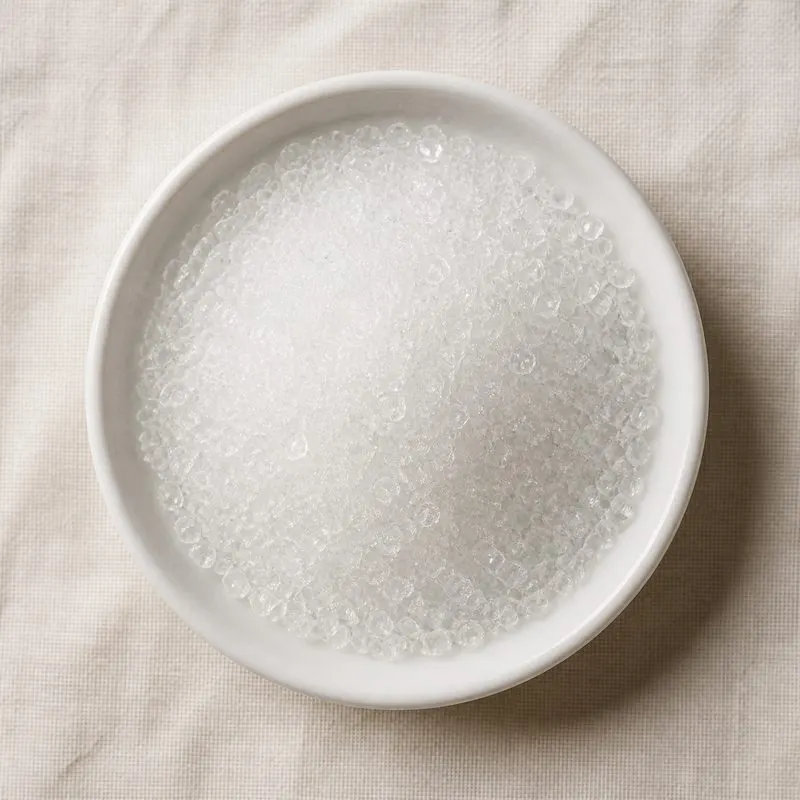
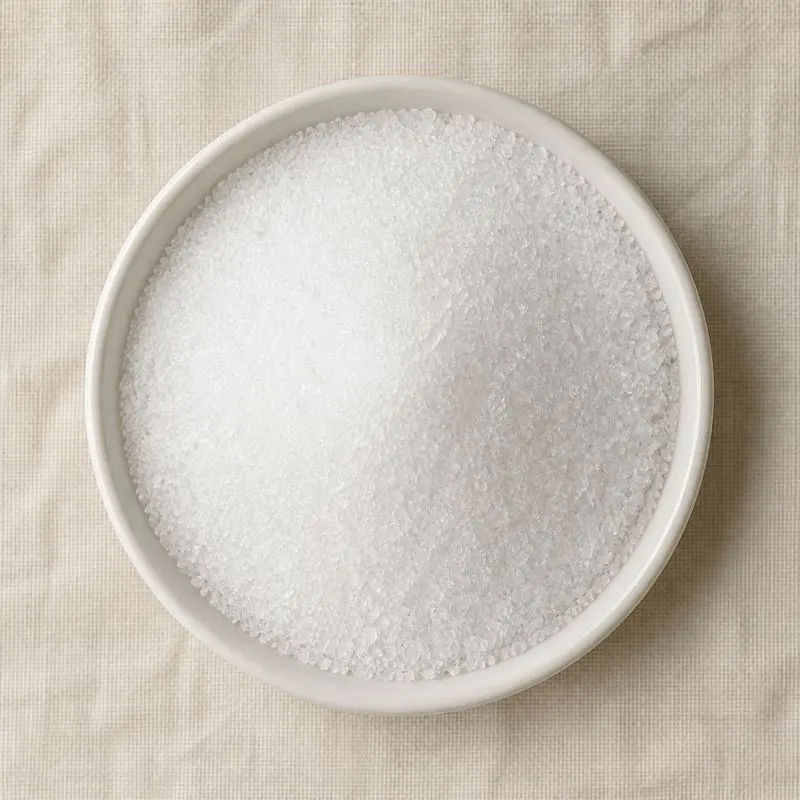
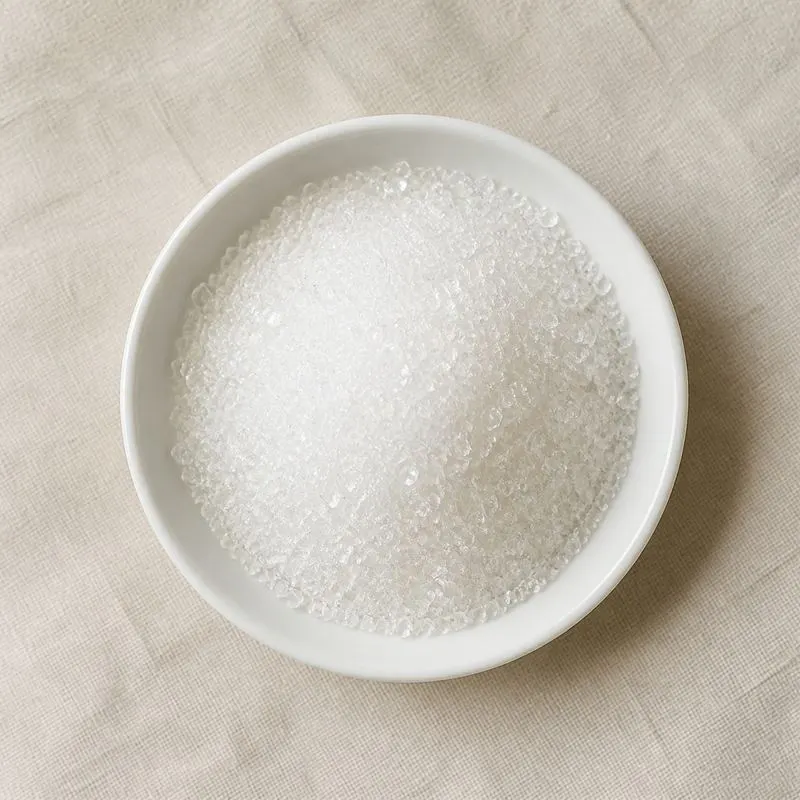
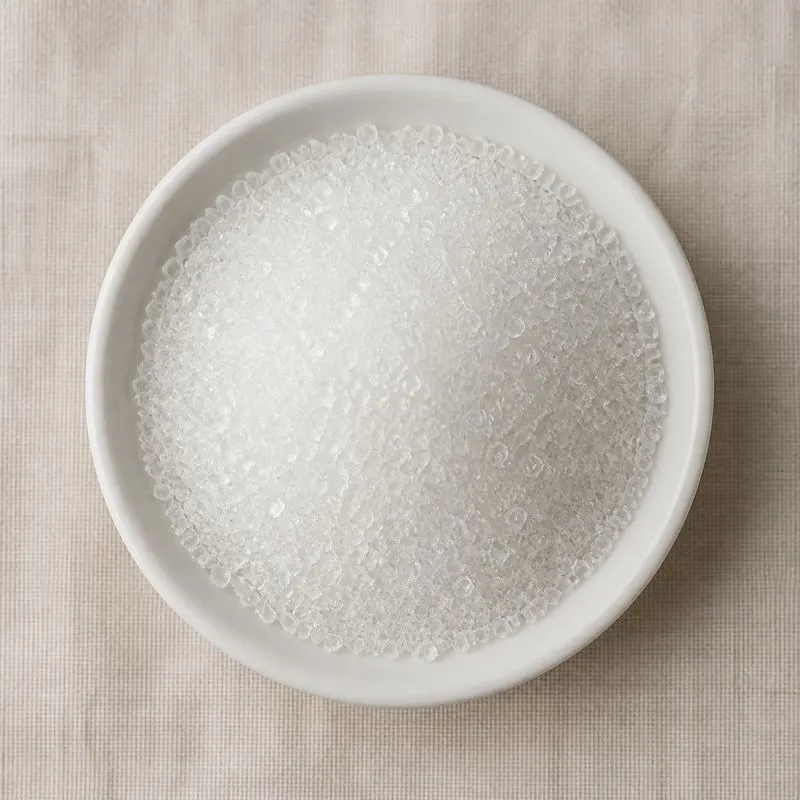
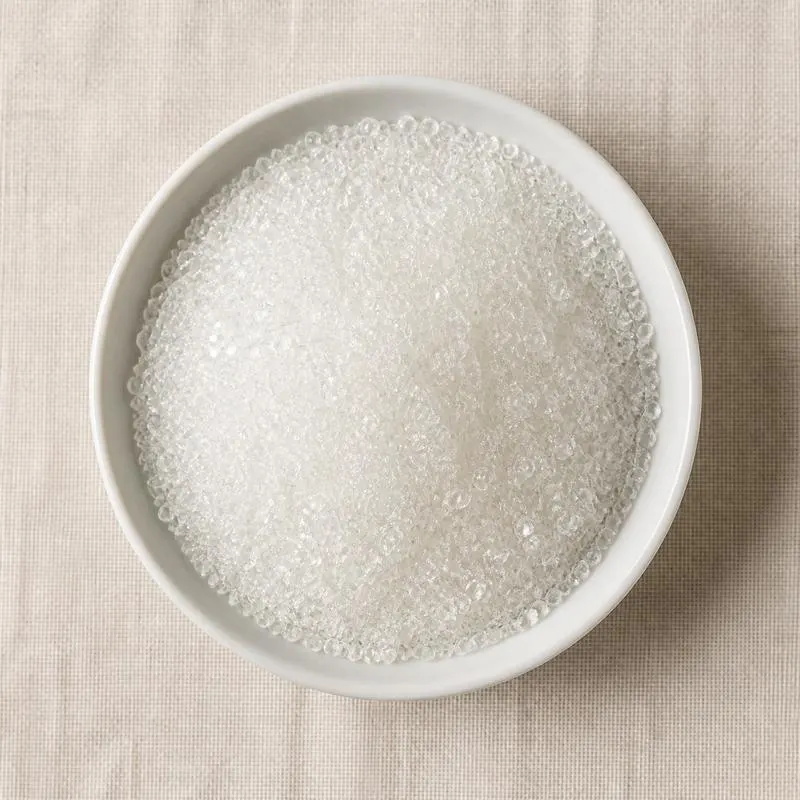
It is a white to almost white crystalline powder or granule with a bland, faintly milky taste and no noticeable astringency, which is the property that distinguishes it from most other soluble calcium salts. Solubility in water is moderate, around 5 to 9 g per 100 mL at room temperature depending on hydrate form and temperature, high enough for clear beverage use at fortification levels but low enough that concentrated solutions need warming. Solutions are close to neutral, typically pH 6 to 8.
The pentahydrate begins losing water of crystallisation above about 100 degrees Celsius and the anhydrous salt is stable well beyond normal process temperatures. Calcium content is roughly 13 percent for the pentahydrate and 18 percent for the anhydrous form, figures that set dosing in fortification work.
We source bulk L-Calcium Lactate from top China manufacturers for our partners, working with several of them. The manufacturers are in Henan, Jiangxi and Shandong. A smaller requirement can ship in a combined container with other ingredients.
Please send the grade you need, the volume and your destination port, and we will come back with a solution and a price.
or call +86-21-6858 0751
- Function
- Acidulant
Specifications
| Item | Specification |
|---|---|
| Appearance | White crystalline powder or granule |
| Assay, dried basis | 98.0 to 101.0 percent |
| Identification | Positive for calcium and for lactate |
| Optical Purity, L isomer | Not less than 99.0 percent |
| Calcium Content, pentahydrate | 12.5 to 13.5 percent |
| Loss on Drying, 120 degrees Celsius | 22.0 to 27.0 percent as pentahydrate |
| pH, 5 percent solution | 6.0 to 8.0 |
| Fluoride | Not more than 30 mg per kg |
| Lead | Not more than 1 mg per kg |
| Arsenic | Not more than 1 mg per kg |
| Total Plate Count | Not more than 1000 cfu per g |
| Yeast and Mould | Not more than 100 cfu per g |
| Escherichia coli | Absent in 10 g |
| Salmonella | Absent in 25 g |
Common Markets Grades
The traded forms are the pentahydrate, the trihydrate and the anhydrous salt, all at 98 percent minimum assay on the dried basis and all distinguished by water content rather than by purity. The pentahydrate is the general food article. Anhydrous material is chosen for tablets, capsules and low moisture powders where added water would shorten shelf life or trigger caking.
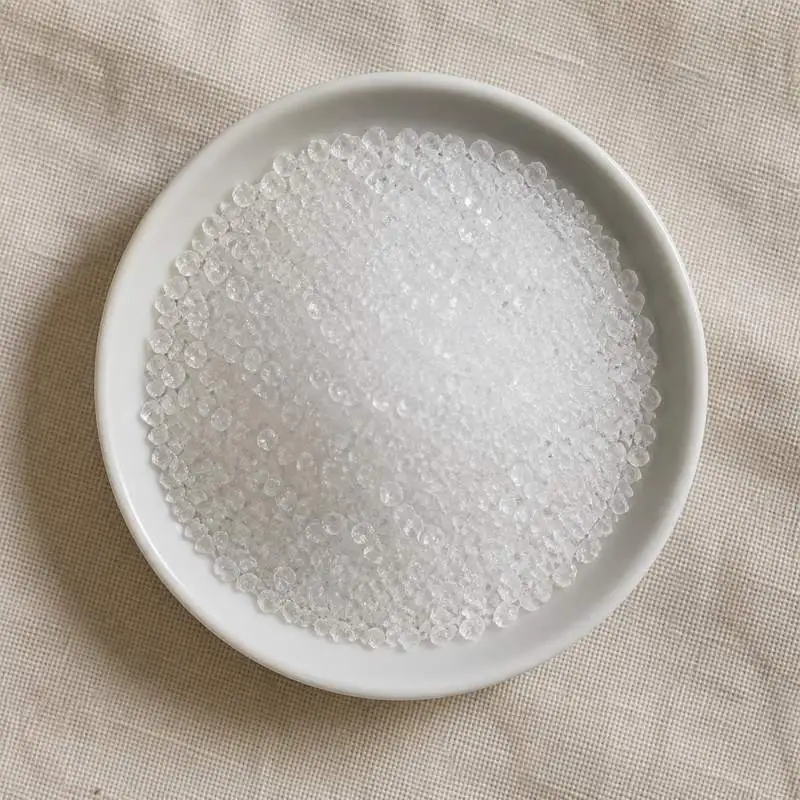
Beyond hydrate state, offers differ by particle size and flow. Fine powder is used for dry blending into flour, dairy powders and nutritional bases. Granular grades of roughly 20 to 60 mesh, usually made by fluid bed agglomeration, are specified for direct compression tabletting and for instant beverage powders where dust and segregation are the practical problems. A separate low iron, low lead grade is produced for infant formula, tested against the tighter trace element limits that category requires.
Applications
- Calcium fortified juices and plant based milks, where the near neutral taste avoids the chalky note that carbonate leaves
- Infant formula and follow-on milks, as a bioavailable calcium source in the optically pure L form
- Nutritional tablets and effervescent supplements, as a calcium salt with better solubility than carbonate and less bitterness than chloride
- Fresh cut and canned fruit, as a firming agent that crosslinks pectin and holds texture in apple, melon and peach without the bitterness of calcium chloride
- Pickles and canned vegetables, as a firming salt in cucumber, pepper and tomato packs
- Molecular gastronomy and encapsulated beads, as the calcium donor for reverse spherification with sodium alginate
- Cheese making, as a calcium supplement to milk that has lost soluble calcium during pasteurisation or cold storage
- Bakery, as a dough conditioner and as the calcium component of some chemical leavening systems
- Chewing gum and confectionery, where it supplies calcium for enamel remineralisation claims
- Animal feed and pet food, as a palatable calcium source in milk replacers
Brands Using L-Calcium Lactate
Widely-distributed consumer products that list L-Calcium Lactate on the ingredient label.
Brand names, product names and logos are the property of their owners. They appear here as published evidence that the ingredient is used, taken from the brand's own label or website. Their appearance is not an endorsement, and it does not mean the brand buys from us or from any manufacturer listed on this site.
China Manufacturers of L-Calcium Lactate
Top L-Calcium Lactate manufacturers in China.
- Henan Honghui Biotechnology Co., Ltd.9 ingredients in the directory
 Musashino Chemical (China) Co., Ltd.6 ingredients in the directory
 Qingdao Jiutai Biotechnology Co., Ltd.8 ingredients in the directory
Company names and logos are the property of the manufacturers themselves. They are listed here because our own directory records them as producing this ingredient. A listing is not an endorsement by them, and we do not represent them or speak on their behalf.
Regulatory Status
In the United States calcium lactate is affirmed as generally recognised as safe under 21 CFR 184.1207, with functions given as firming agent, leavening agent, nutrient supplement, stabiliser and thickener, for use at levels consistent with good manufacturing practice. It also carries a United States Pharmacopeia monograph, and calcium lactate is an acceptable source of calcium for nutrient addition to conventional foods and to infant formula.
In the European Union Regulation (EC) No 1333/2008 authorises it as food additive E 327, with identity and purity criteria in Regulation (EU) No 231/2012, and it appears on the list of calcium sources permitted for the manufacture of food supplements and of foods for specific groups. JECFA has evaluated the lactate salts and concluded that a numerical limit is not needed, and calcium lactate is listed in the Codex General Standard for Food Additives as an acidity regulator, firming agent and stabiliser.
Manufacturing Process
Manufacture starts from L-lactic acid made by anaerobic fermentation of a carbohydrate feedstock. Glucose from maize or cassava starch, or sucrose from cane, is fermented with homofermentative lactic acid bacteria of the Lactobacillus group selected for producing the L isomer with high optical purity. The fermentation is neutralised as it proceeds, and in many plants calcium hydroxide or calcium carbonate is the neutralising base, so calcium lactate forms directly in the broth rather than being made in a separate step.
The broth is heated to kill the culture, then filtered or centrifuged to strip biomass and residual protein. The clear liquor is treated with activated carbon to remove colour and fermentation odour and, where higher optical and chemical purity is required, polished through ion exchange. Vacuum evaporation concentrates the solution to supersaturation and controlled cooling crystallisation grows the pentahydrate. The crystal slurry is centrifuged and washed, then dried at a temperature held low enough to preserve the water of crystallisation, or dried harder and calcined lightly where the anhydrous grade is wanted. Dried material is milled, screened and either packed direct or agglomerated to a granular grade.